
Medical cart: the right development approach
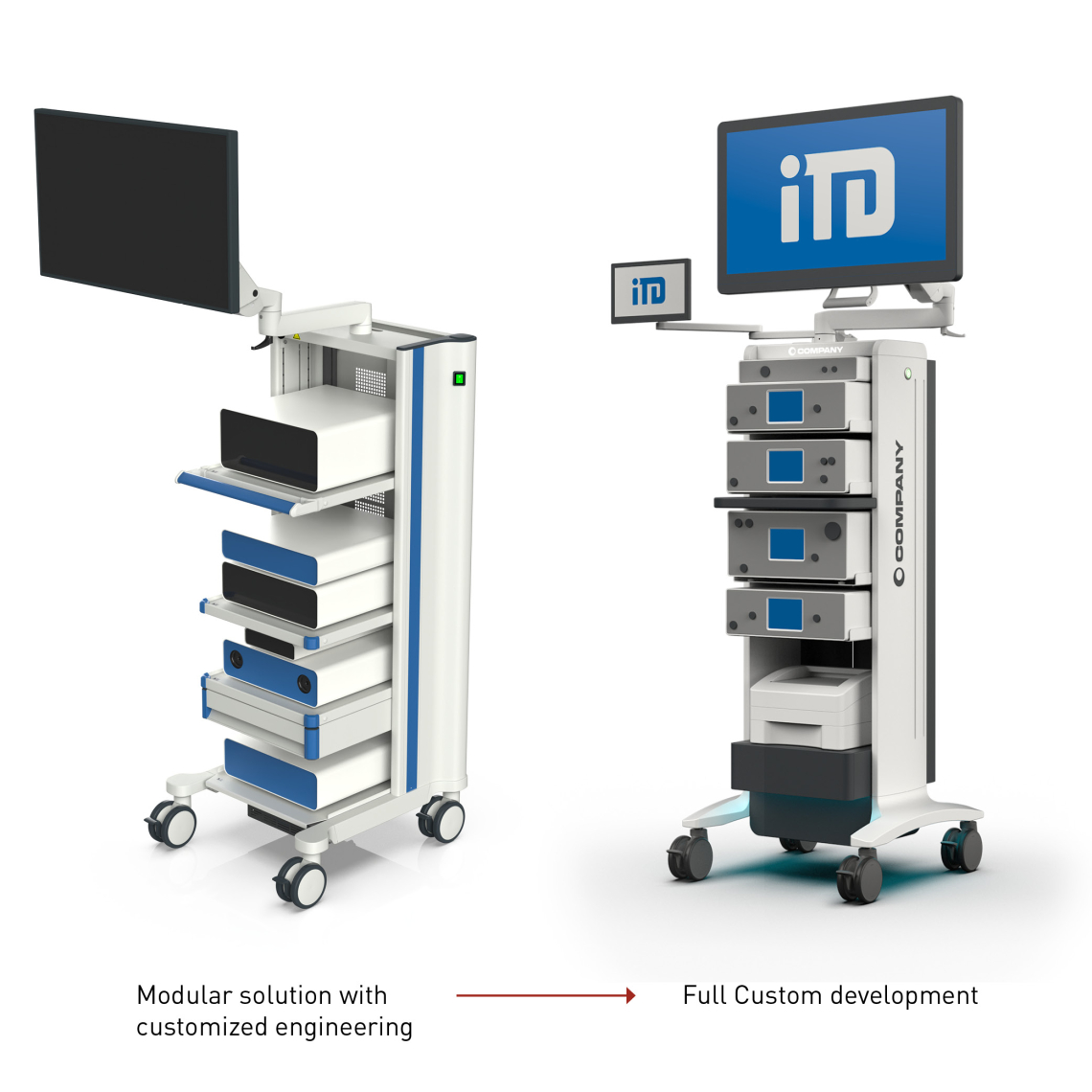
From proven components to fully customized medical carts.
Not every medical cart needs to be developed from scratch. A medical cart provides a mobile platform for safely carrying, positioning and organizing medical equipment. Depending on your medical equipment and technical requirements, iTD offers three approaches: configuring proven components, customizing an existing platform or developing a completely new solution.
MODULAR SOLUTION
Configured from proven iTD components
MODULAR SOLUTION WITH ENGINEERING CUSTOMIZATIONS
Based on proven iTD components, customize specific components
FULL CUSTOM DEVELOPMENT
Purpose-built medical carts tailored to your requirements
Three ways to develop medical carts
The key difference is how much of the medical cart can use existing components versus requiring new development.
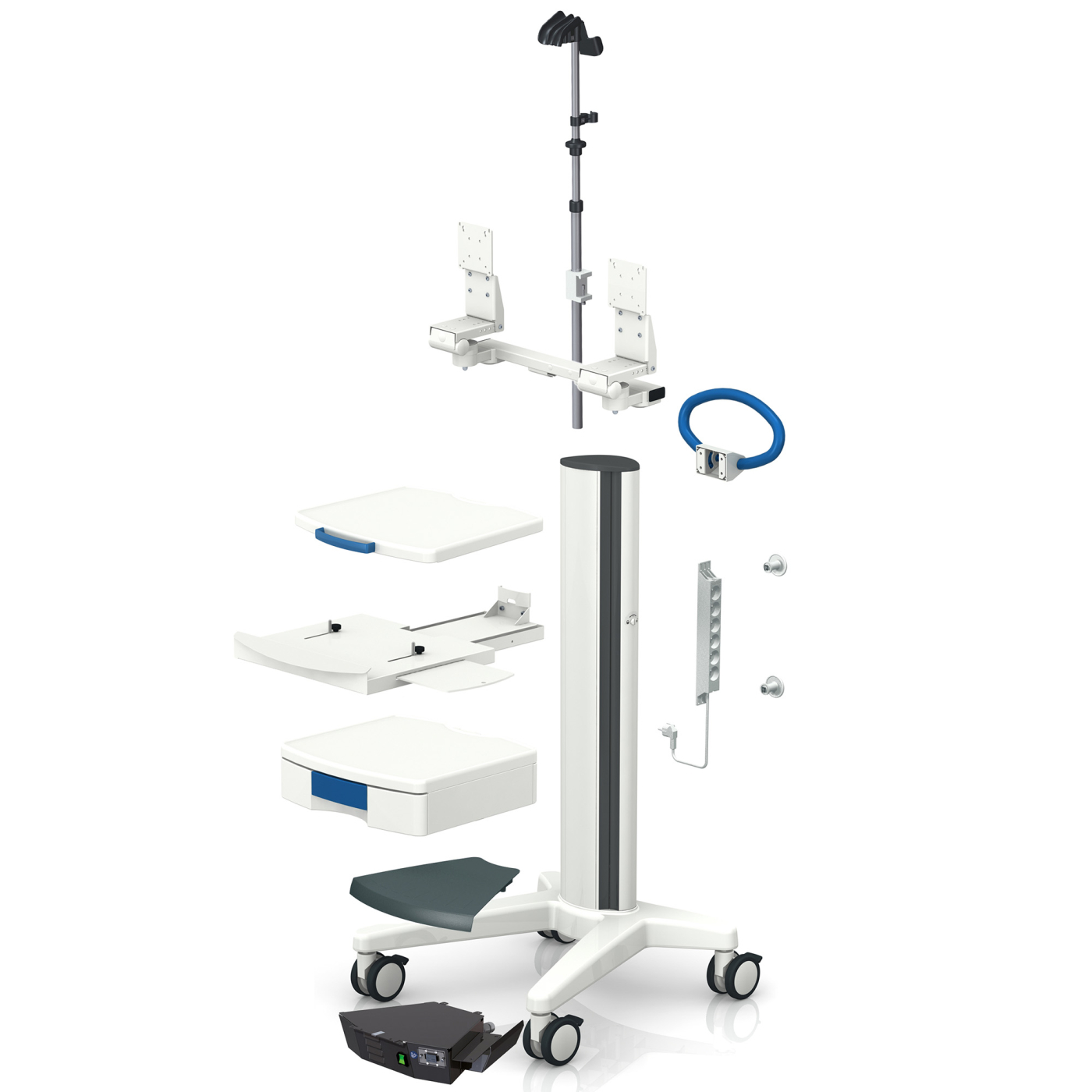
Modular solution
Use proven components.
Combine existing iTD components to create a medical cart tailored to your needs—no new development required.
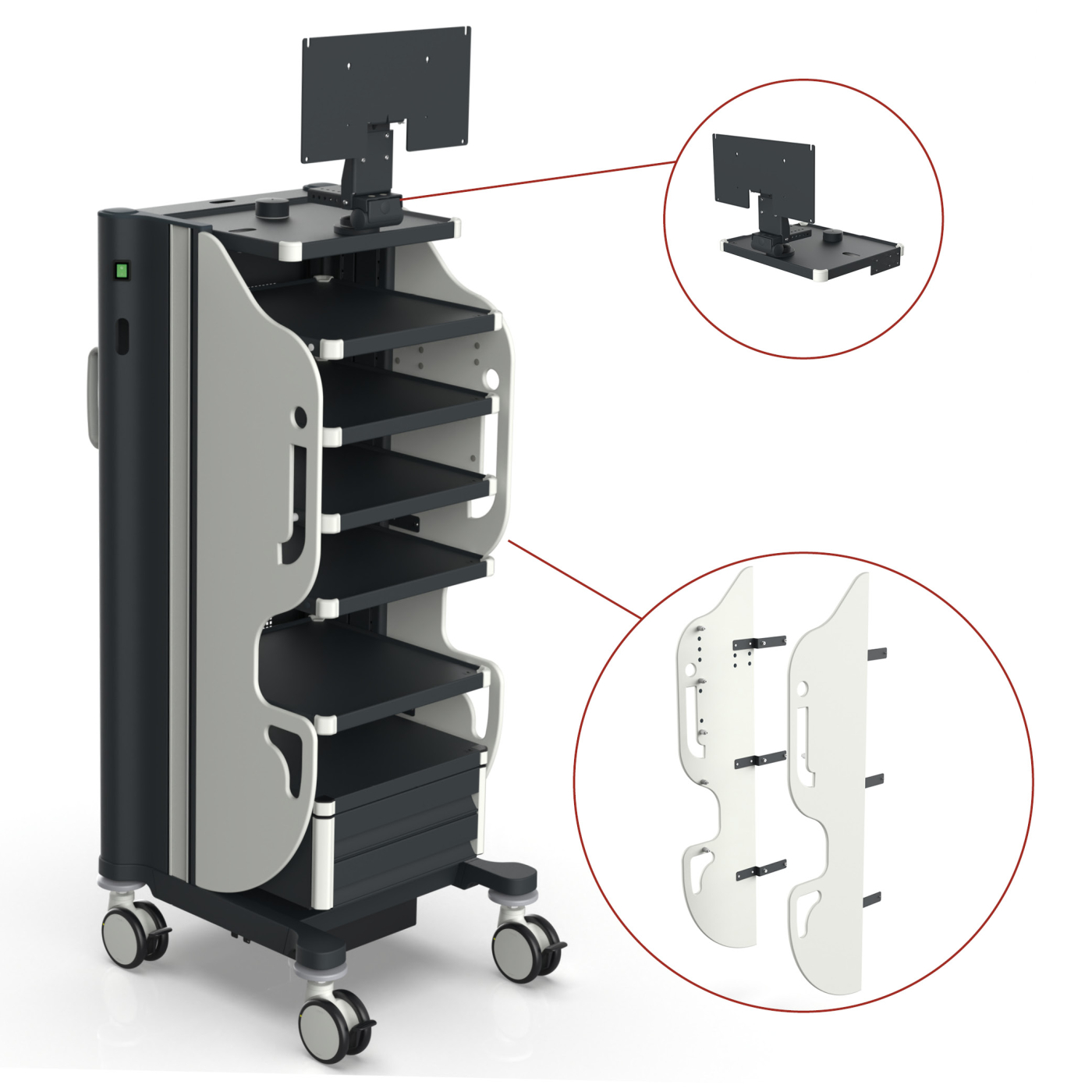
Engineering Customizations
Customize only what you need.
Start with an existing iTD platform and develop specific components where standard solutions are not sufficient.
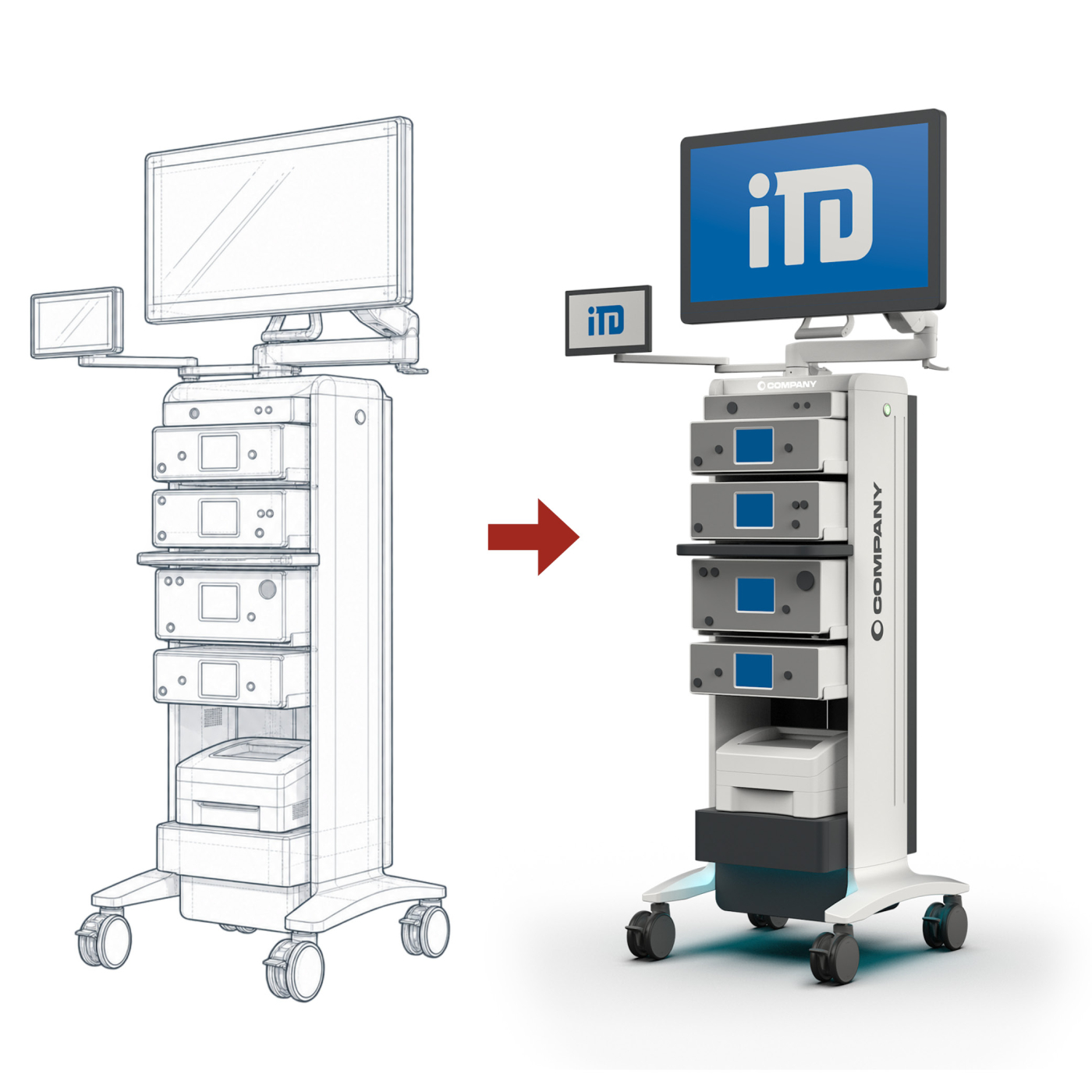
Full Custom development
Develop a completely new solution.
iTD develops a purpose-built medical cart designed around your medical system.
MODULAR SOLUTION
Configured from proven iTD components
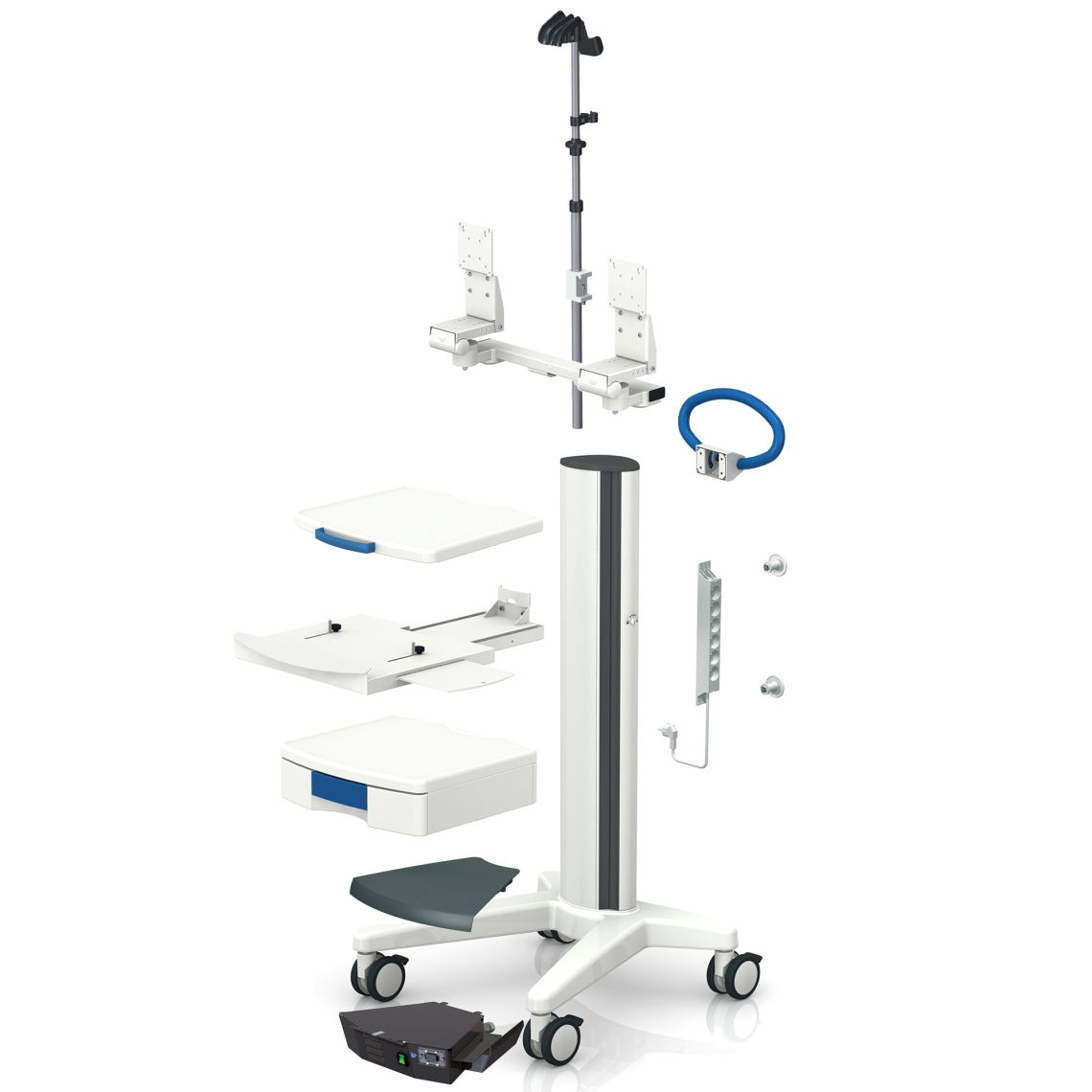
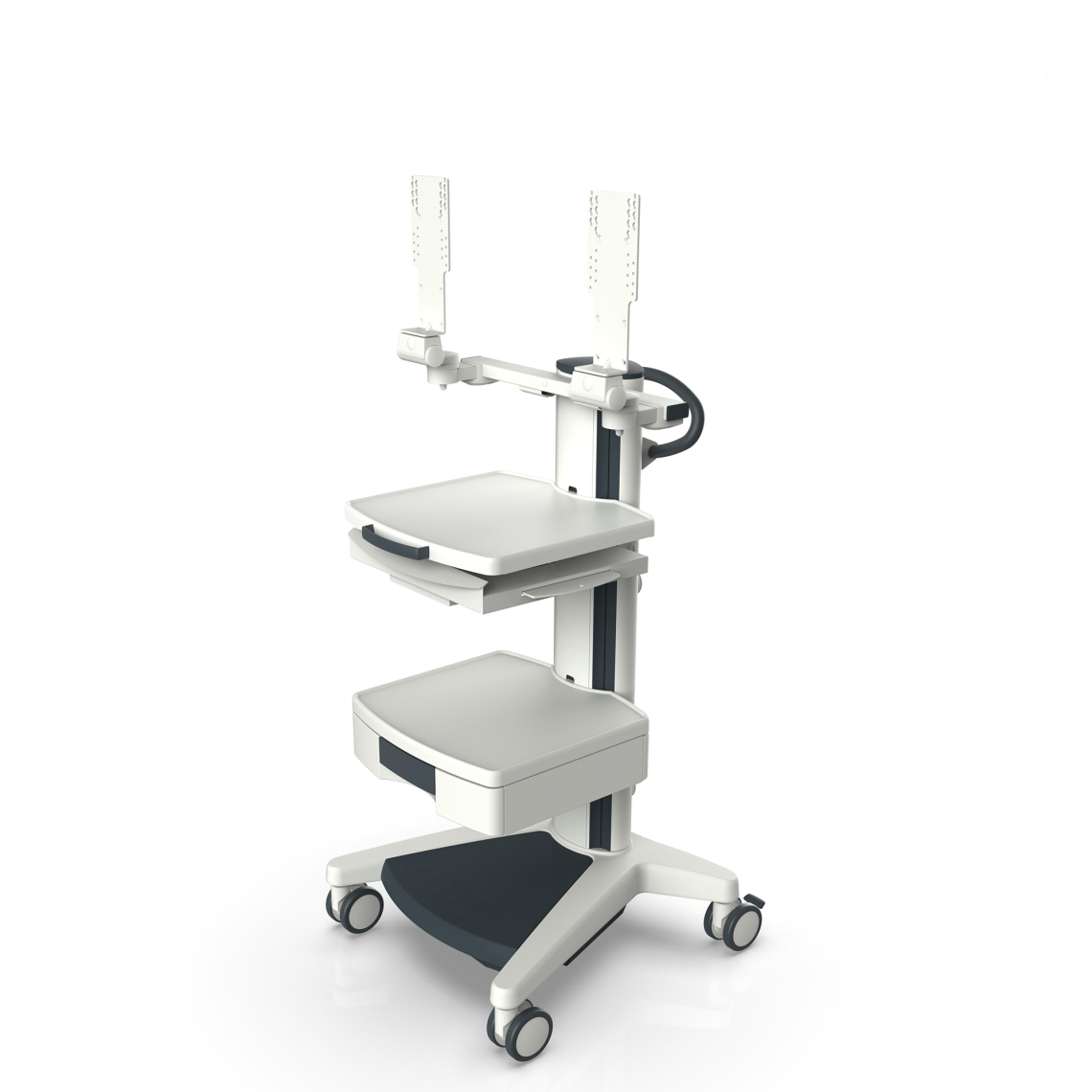
A modular medical cart is assembled using existing iTD platforms, components and accessories. These can include columns, shelves, drawers, equipment mounts, monitor holders and other functional elements.
The components are selected and arranged to suit your medical equipment, required load capacity and working conditions.
As long as existing components meet your requirements, no new parts need to be developed specifically for your project.
Your benefits:
- Proven components and established product platforms
- No project-specific component development
- Reduced engineering effort
- Short time-to-market
- Flexible configuration for different medical applications
A good fit if: Your medical equipment can be accommodated using existing iTD cart platforms and accessories.
Modular Solution with Engineering Customizations
Adapt the existing platform
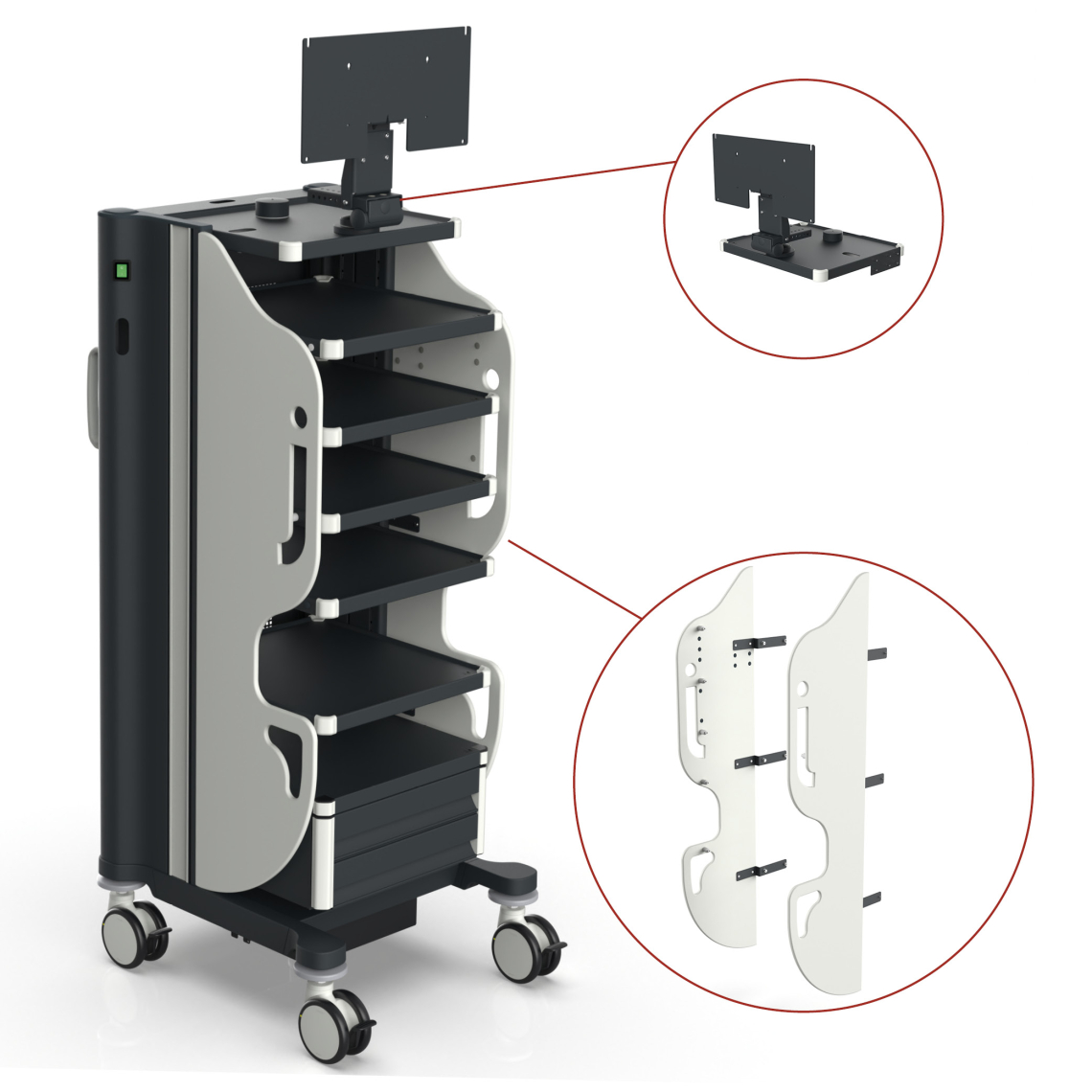
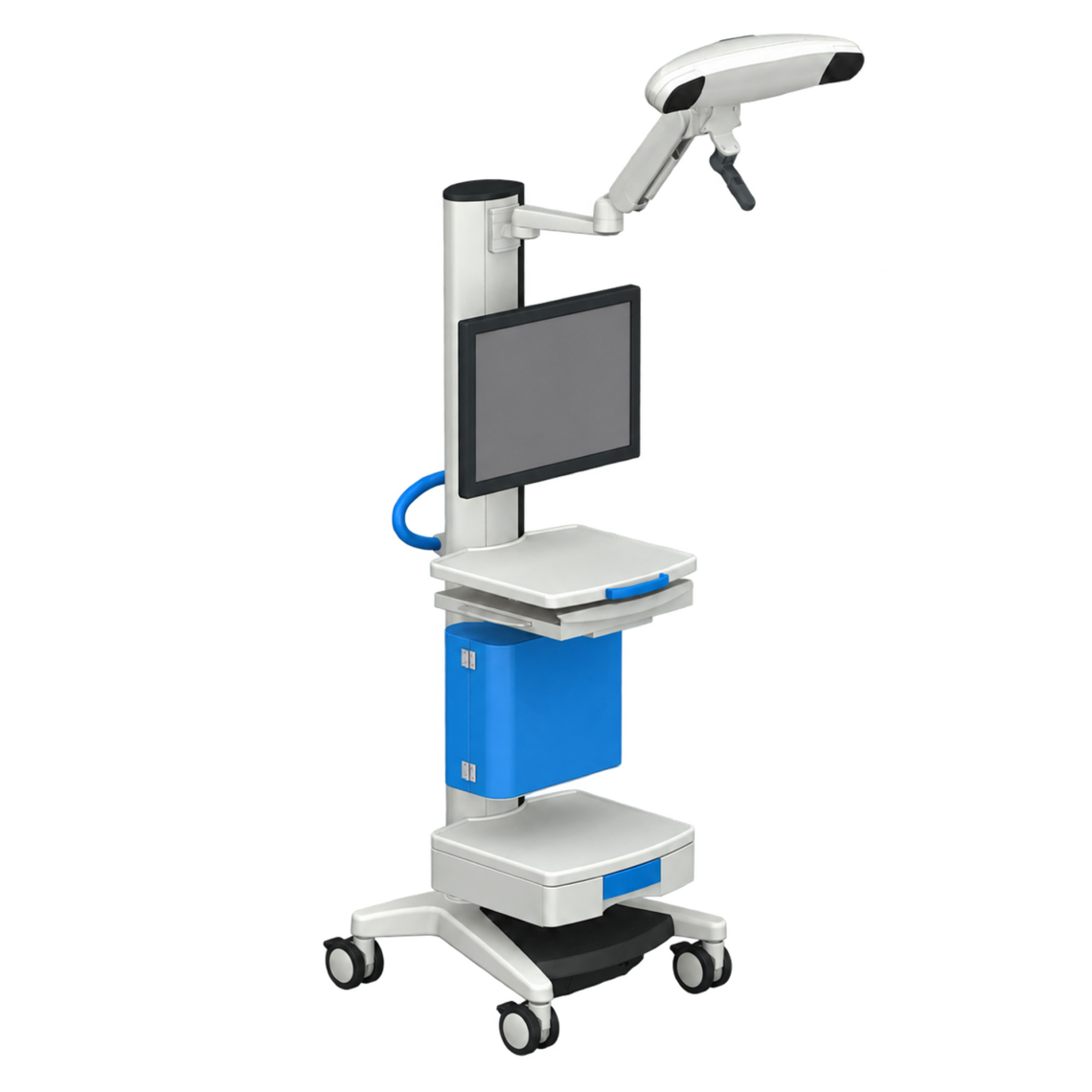
The existing iTD cart platform provides the technical foundation. Individual components are then developed or adapted to meet specific requirements.
Examples include customized equipment mounts, adapters, work surfaces, housings, panels or design elements.
Because the basic cart architecture remains unchanged, engineering can focus on the components that actually require customization.
Your benefits:
- Individual functionality and appearance
- Proven technical foundation
- Predictable time-to-market and costs
- Focused development of application-specific components
- Less development effort compared with an entirely new cart architecture
A good fit if: The existing iTD platform meets your core requirements, but selected components need to be designed or adapted for your medical system.
Full Custom Development
Designed around your medical system
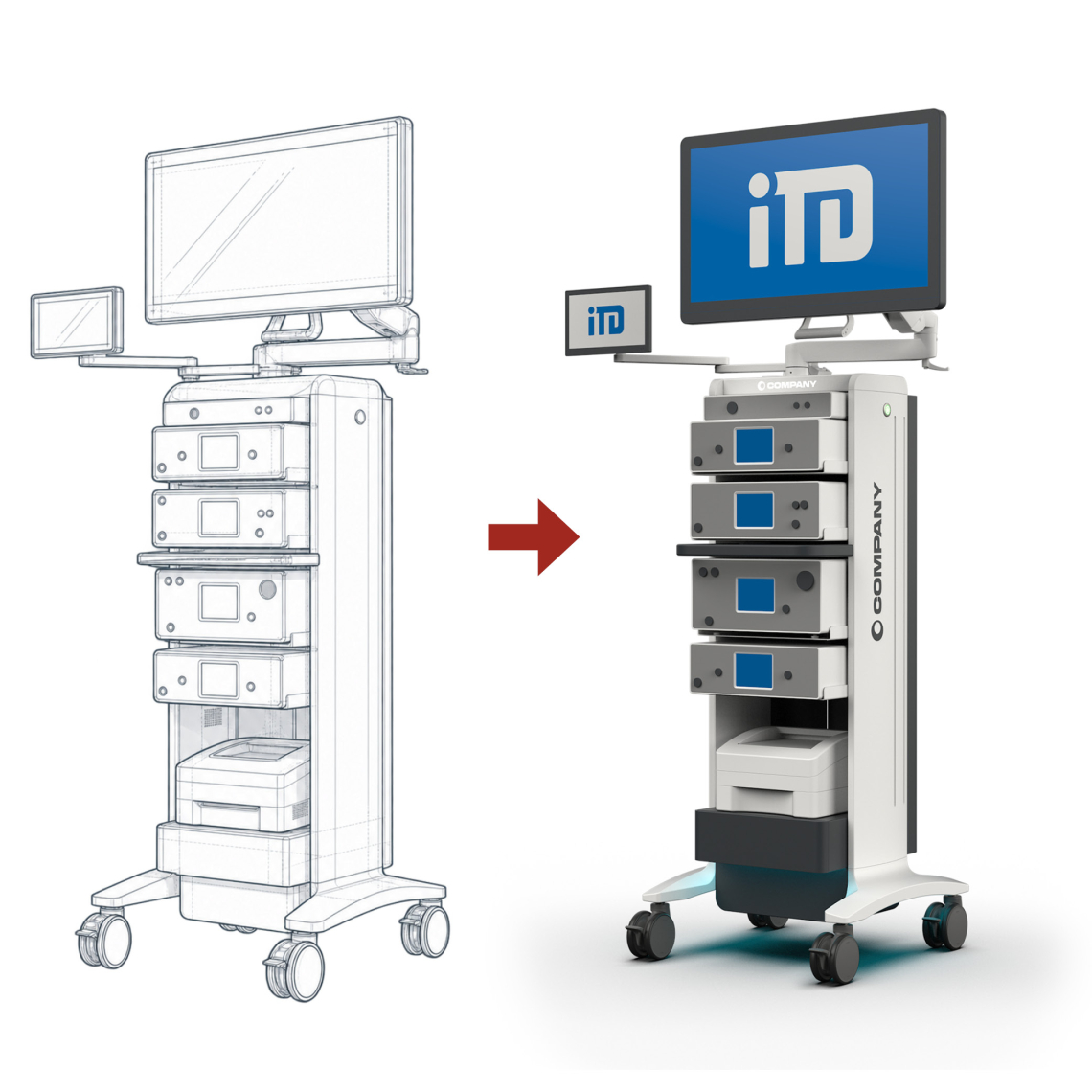
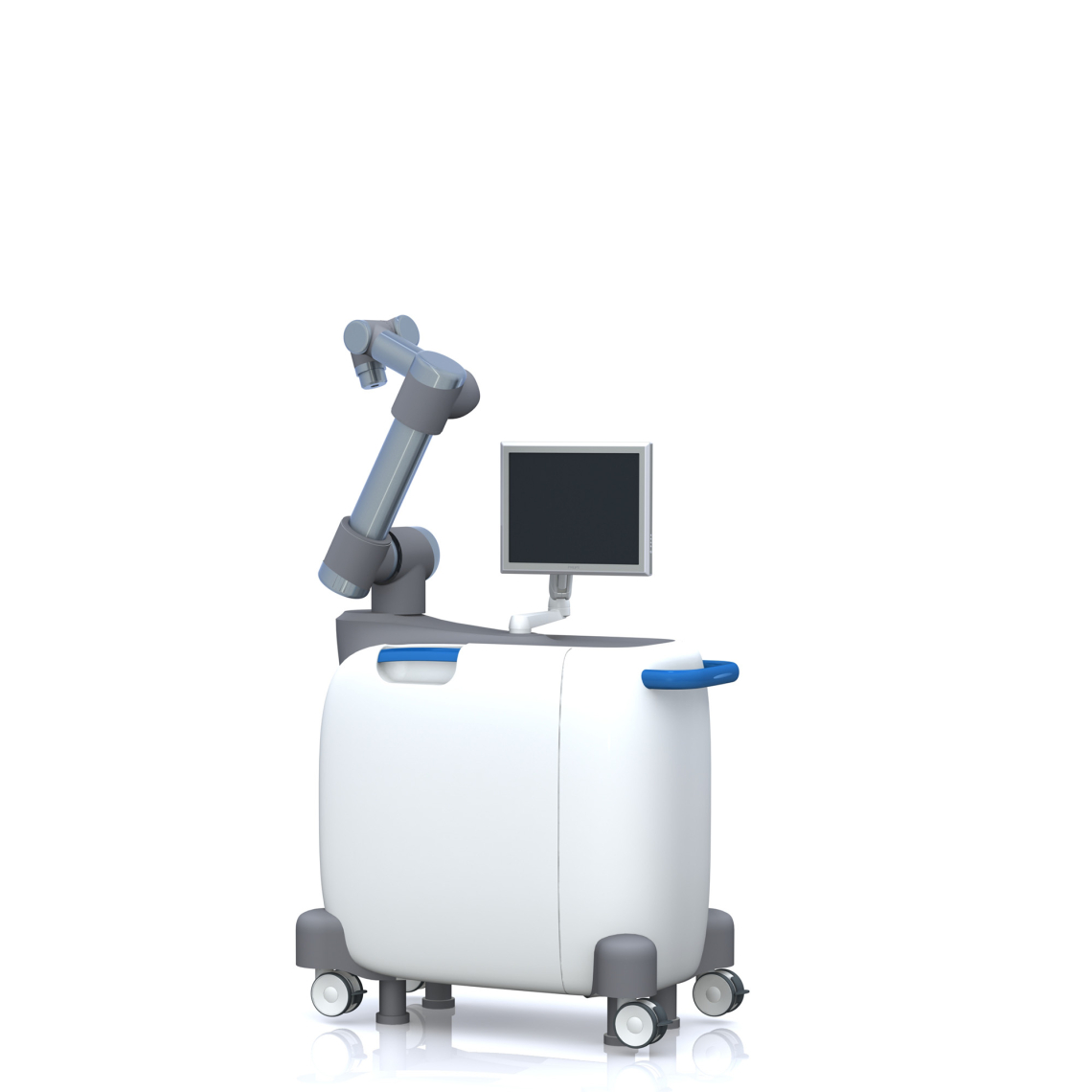
Some medical devices require a cart that cannot be realized using the existing iTD platform or individual component adaptations.
In these cases, iTD develops a new medical cart architecture tailored to the technical, functional and design requirements of your system.
Dimensions, equipment arrangement, load capacity, ergonomics, device integration and product appearance can be considered throughout the development process.
Your benefits:
- A cart architecture developed specifically for your system
- Greater freedom in functionality
- Independent product design
- Integration of application-specific requirements
- Development with future series production in mind
A good fit if: The essential technical or functional requirements cannot be met by existing platforms or targeted customizations.
From initial requirements to series production
How iTD supports your medical cart project in six steps.
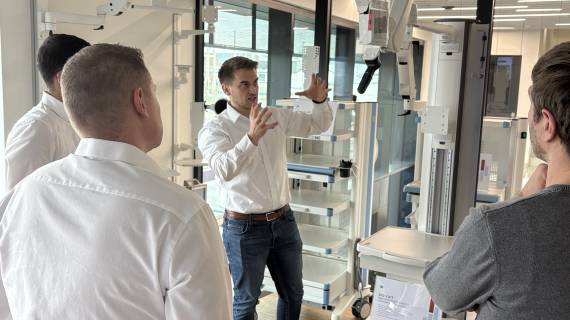
Step 1 - Identify Requirements
Define the medical equipment and applications, including dimensions, load capacities, functionality, ergonomics, workflows, design goals, and technical requirements.
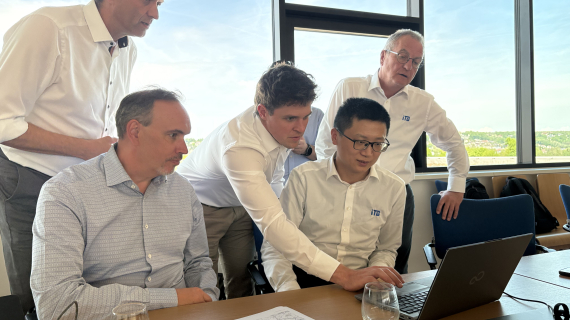
Step 2 - Define the Development Approach
Assess whether a modular solution, engineering customization, or full custom development is needed, identifying reusable components and new engineering requirements.

Step 3 - Concept and Engineering
Configure a medical cart using standard components, develop customized parts, or design a fully tailored solution from scratch.
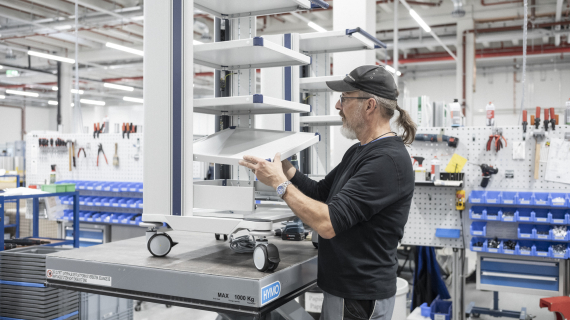
Step 4 - Build and Test Prototypes
Where required, develop prototypes and validate functionality, ergonomics, and safety against defined requirements.
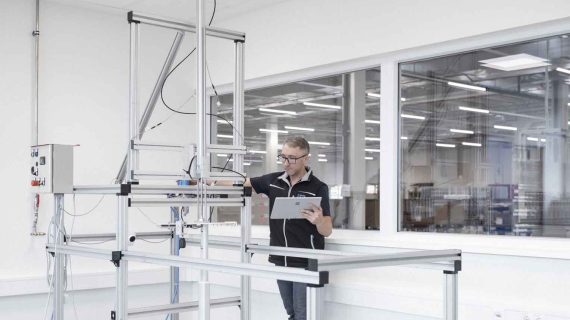
Step 5 - Ensure Series Production and Quality
Define manufacturing, assembly, and testing processes, including key quality requirements.
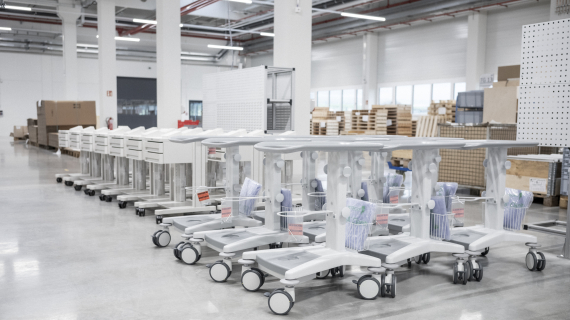
Step 6 - Production and Delivery
Manufacture and deliver medical carts tailored to agreed requirements, quantities, variants, and target markets.
Different approaches work in practice
Modular, Engineered-Customization and Full Custom.
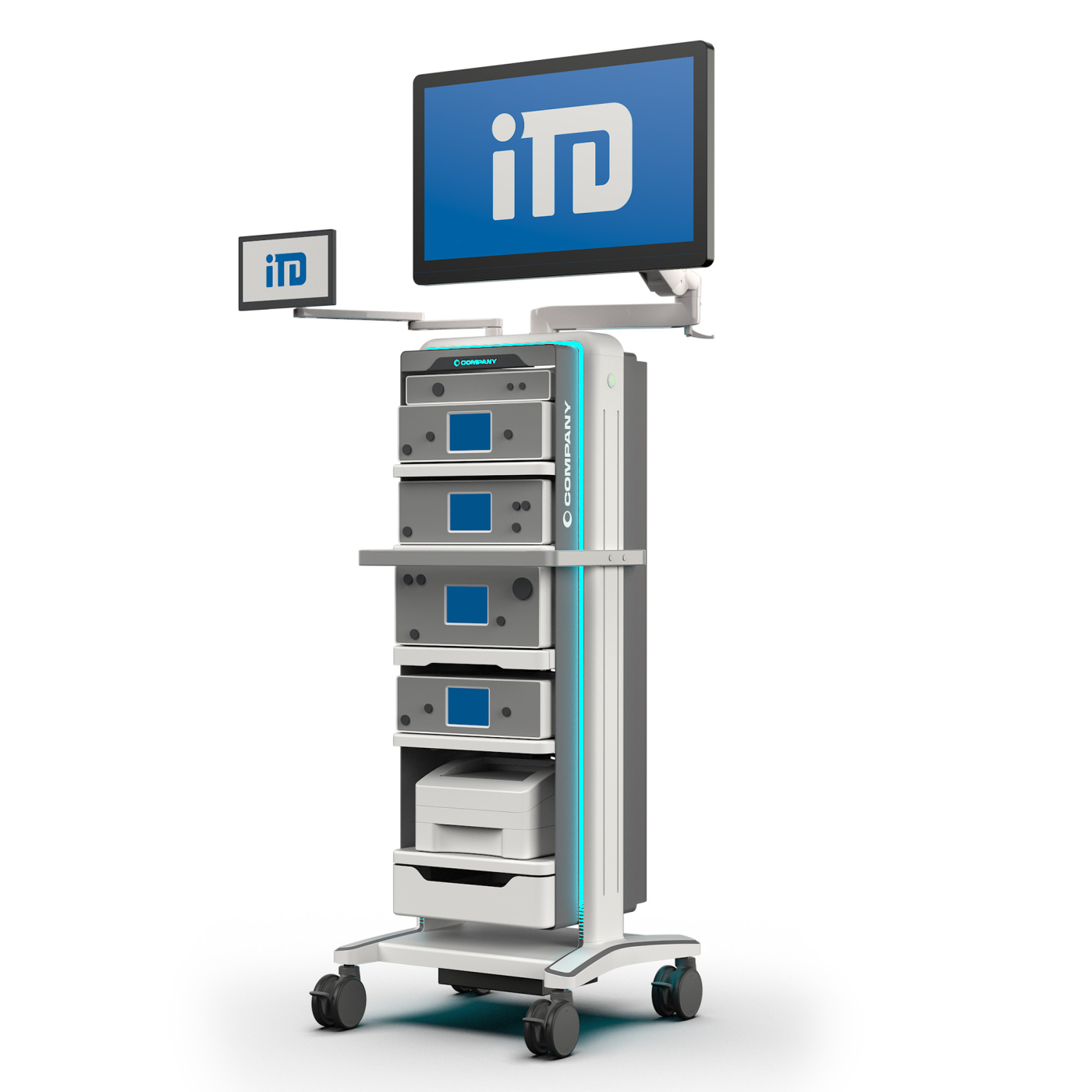
Endoscopy
Full custom development
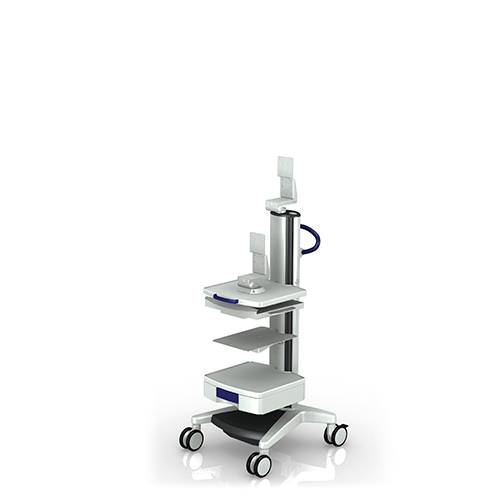
Medical Measurement Technology
Modular
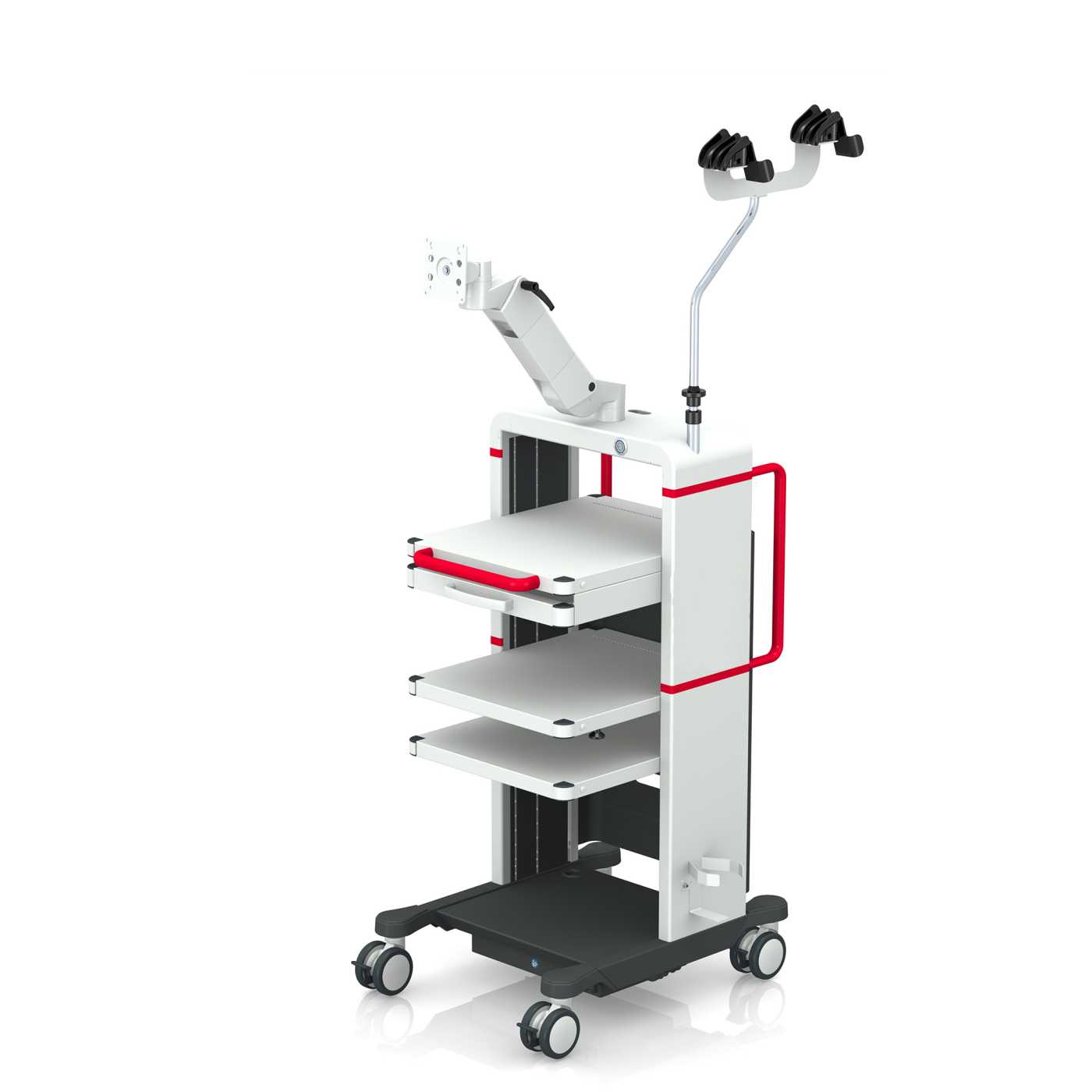
Flexible Endoscopy
Engineered Customization
Handle and shelves
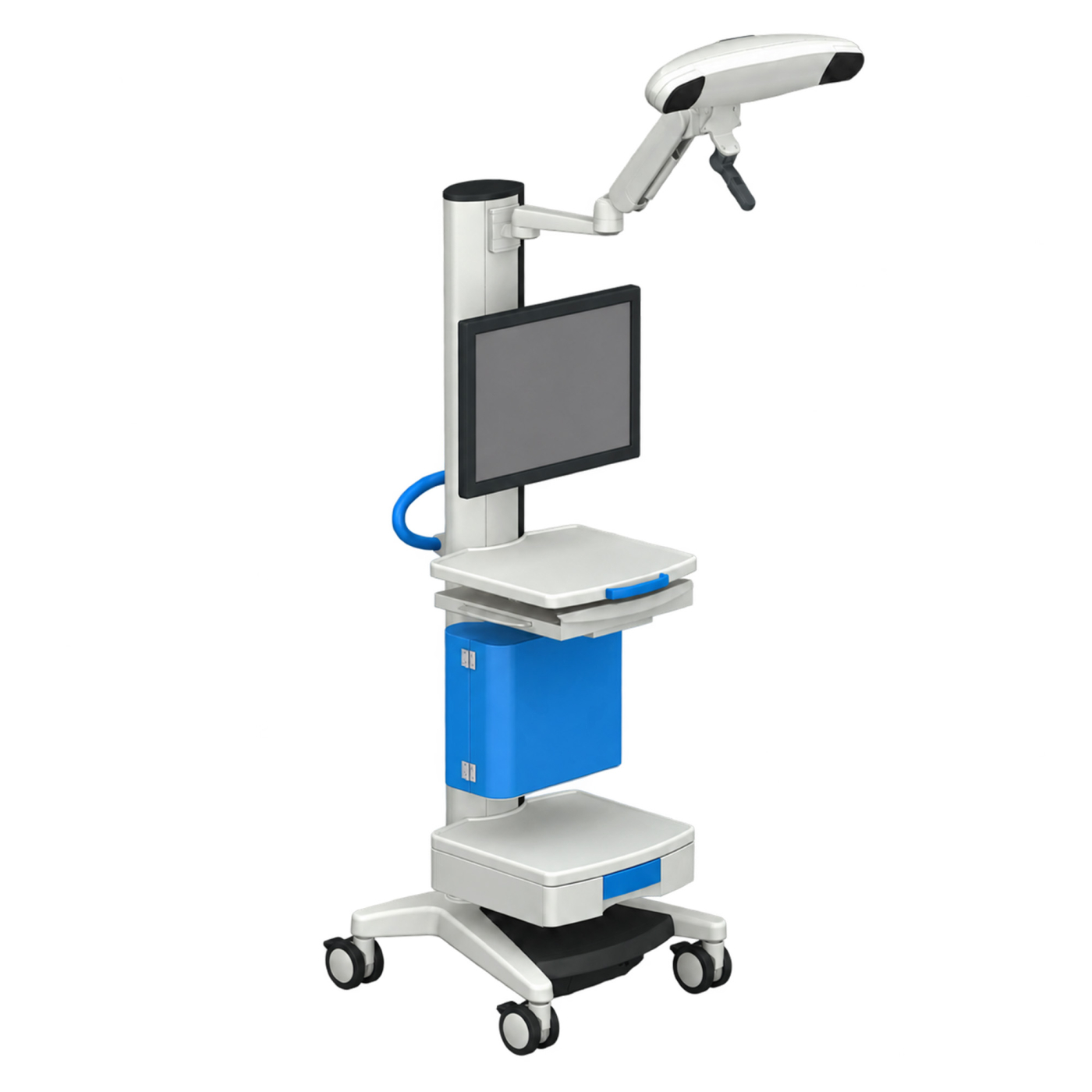
Navigation cart
Engineered-Customization
Housing
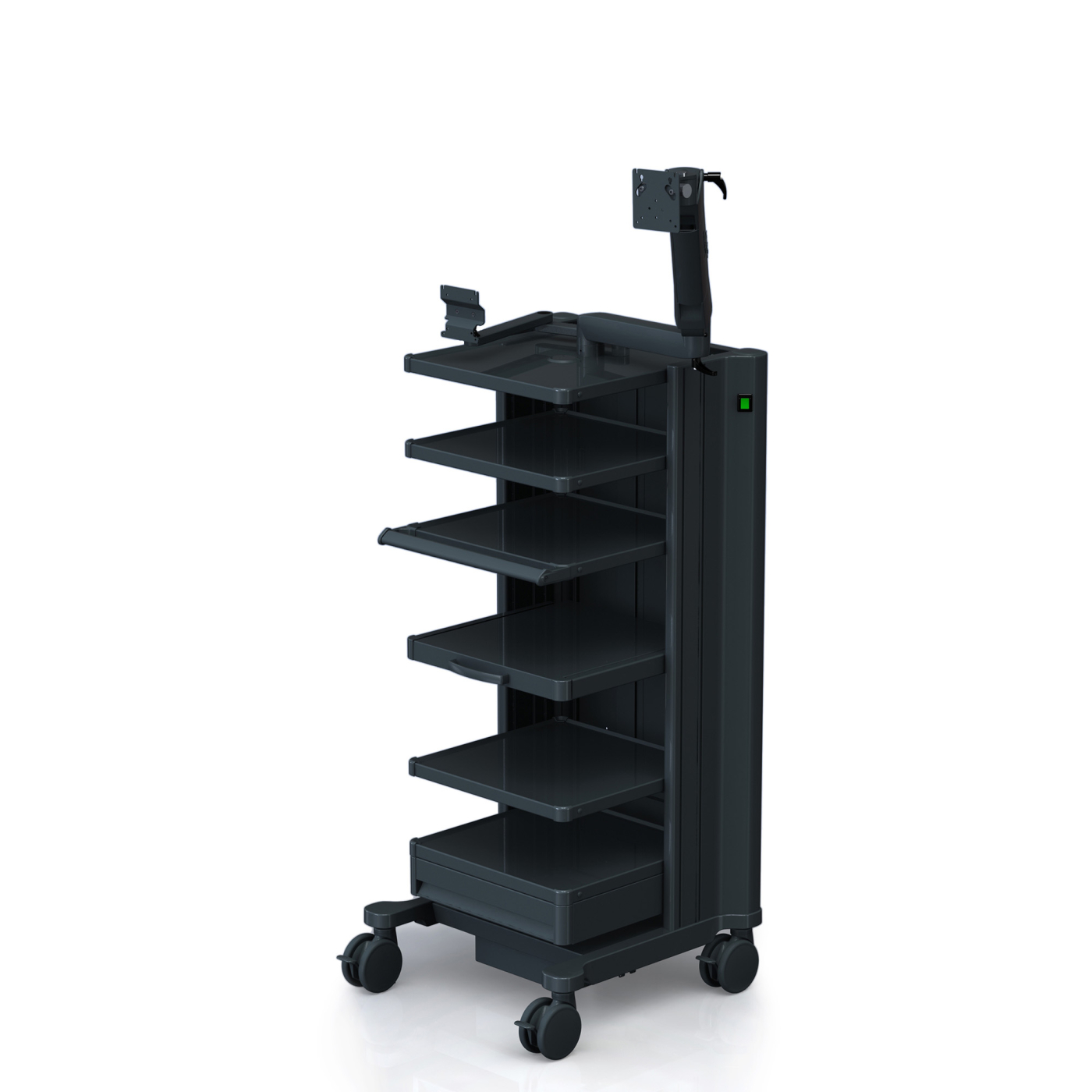
Endoscopy
Full custom development
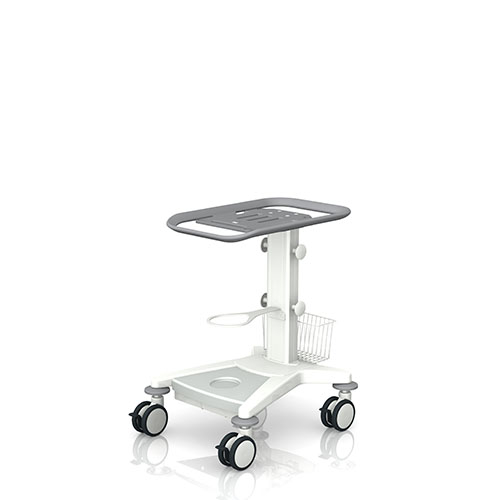
Neurosurgery
Engineered Customization
Connections
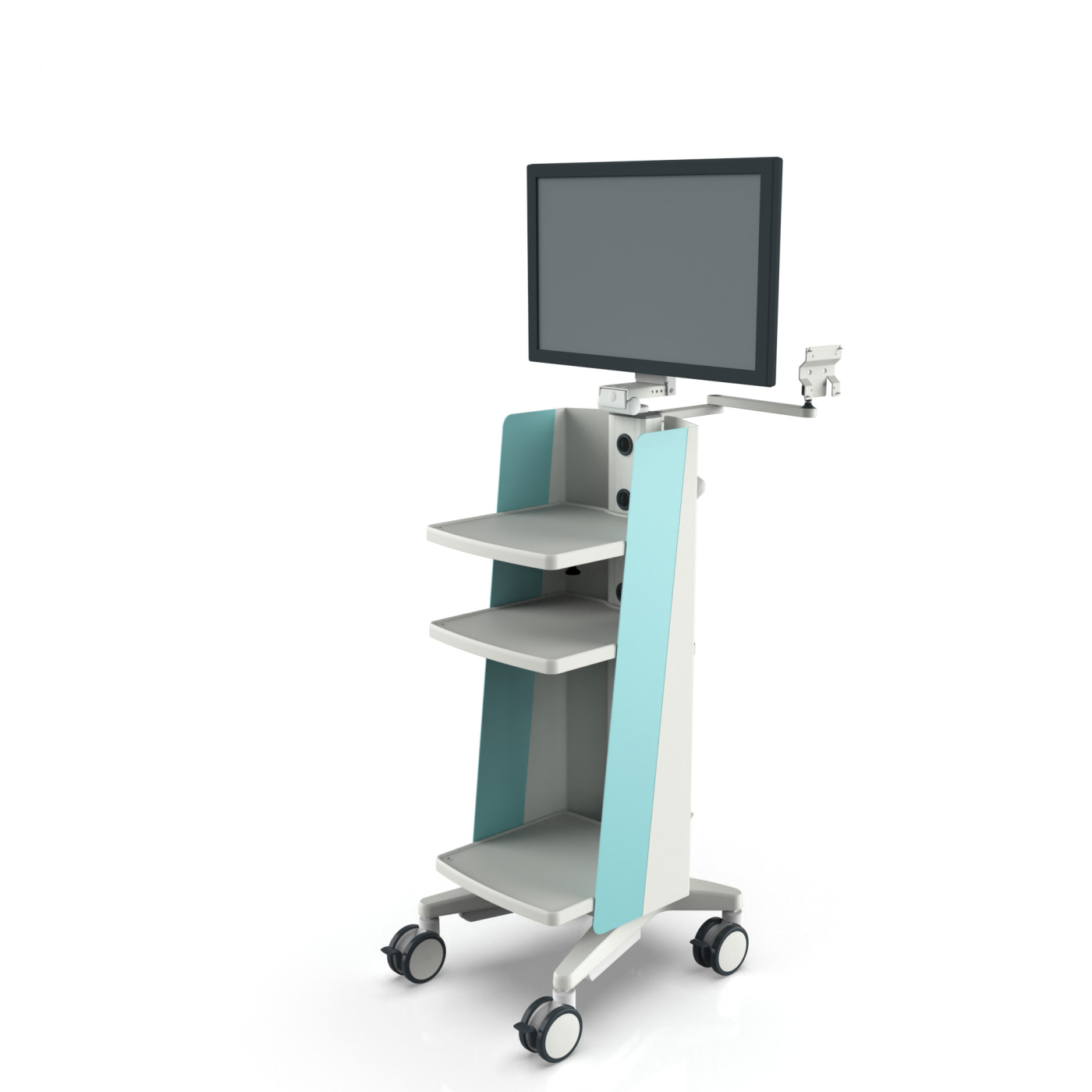
4K Imaging
Engineered Customization
Housing
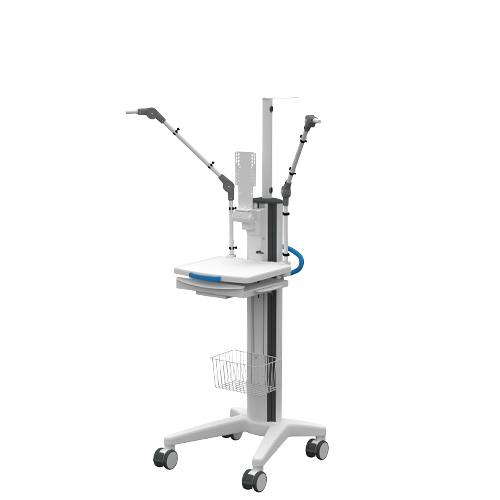
Neurology cart
Modular
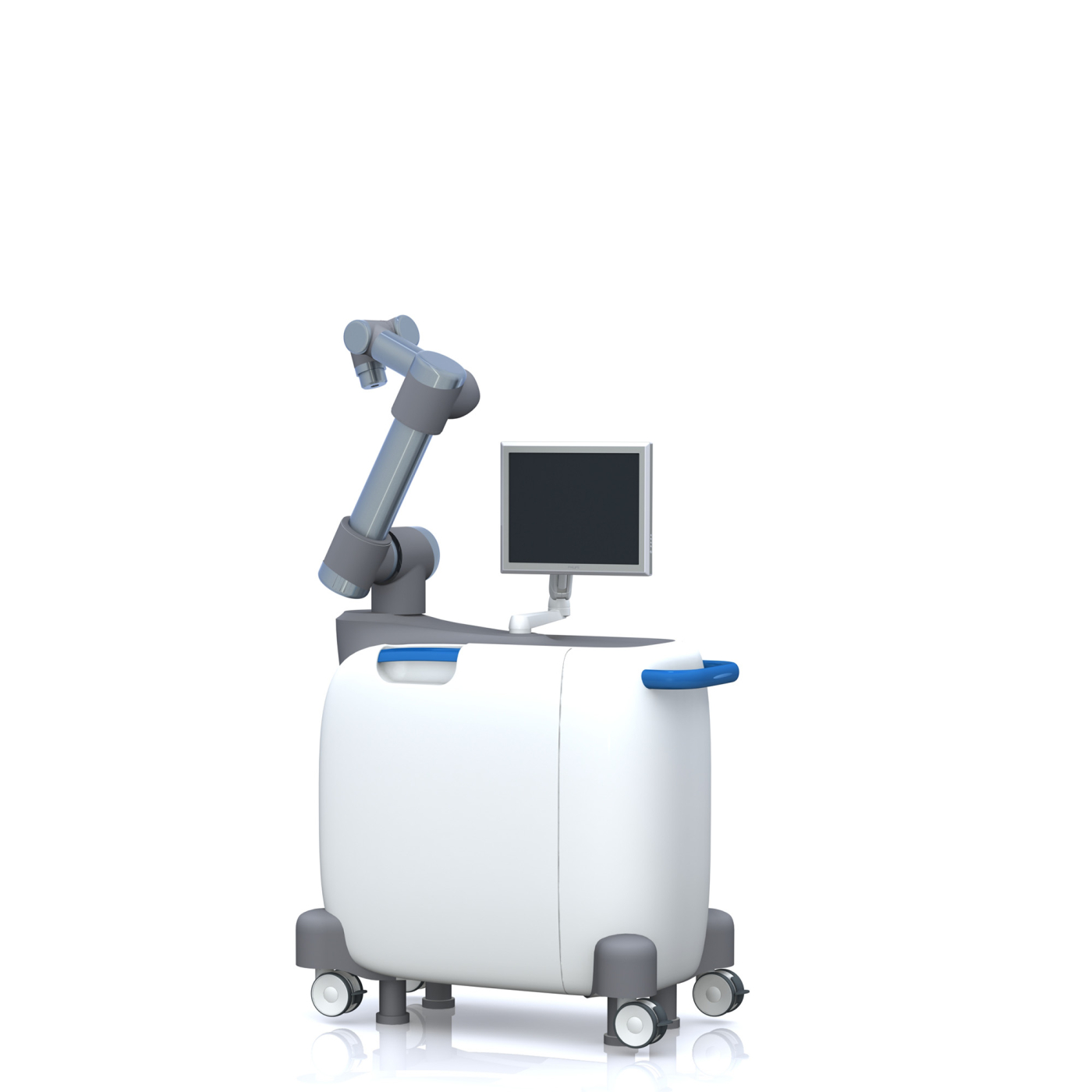
Robotic cart
Full custom
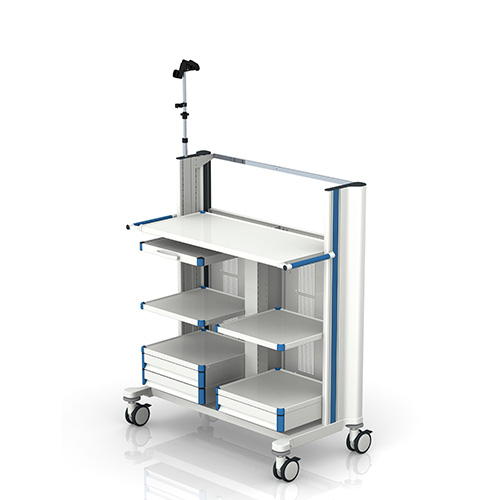
Medication cart
Modular
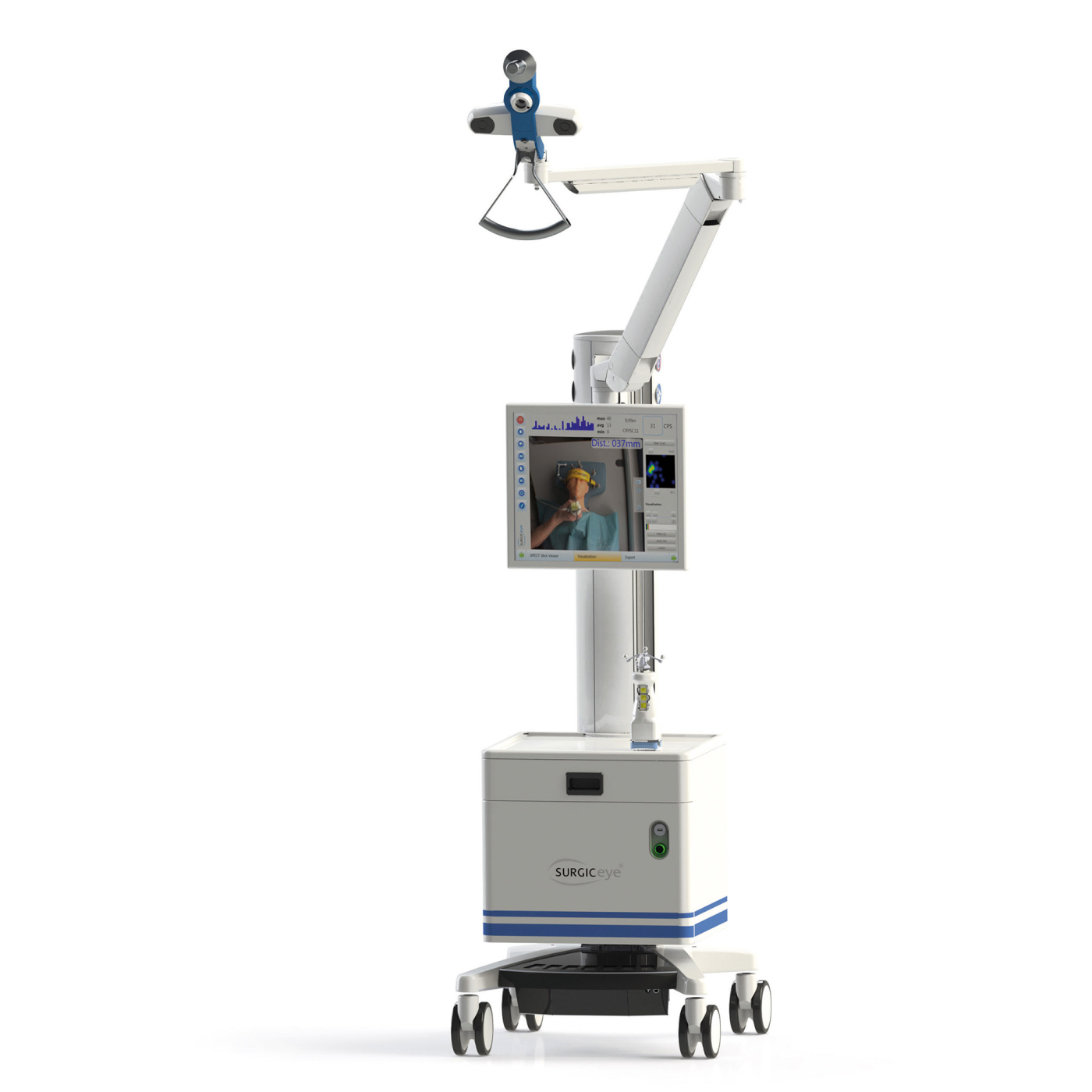
Surgical Oncology
Engineered-Customization
Housing and medical arm
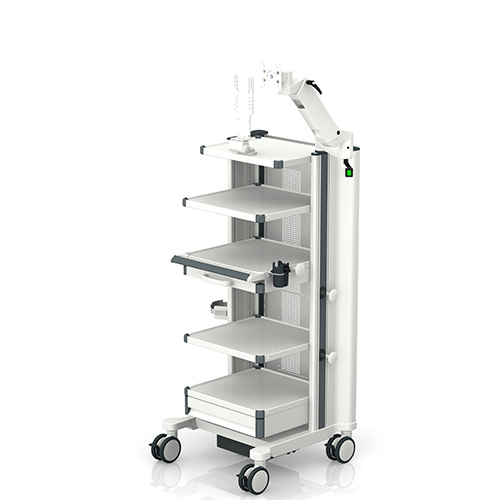
Endoscopy cart
Modular

Pulmonary function diagnostics
FAQs
Frequently Asked Questions About the Development Approach for Medical Carts
No. iTD helps you identify the most suitable medical cart solution based on your equipment, technical requirements, and intended application. You do not need to select a development approach in advance.
The right approach depends on your technical requirements, budget, and timeline. iTD offers modular, hybrid, and fully custom medical cart solutions, ranging from standardized configurations to individually engineered systems.
A modular medical cart uses standardized components for flexible, cost-effective configurations. A engineered-customized cart combines proven modular components with custom-engineered components to meet specific functional, ergonomic, or design requirements.
Fully custom medical cart development makes sense when modular or customized cannot meet specific requirements, such as unique equipment dimensions, complex device integration, special load capacities, or individual product design.
Yes. iTD integrates medical equipment into its cart solutions, including mechanical mounting, cable management, assembly, and testing. Additional services include documentation, packaging, and delivery of complete systems.
Medical cart development time and cost depend on technical complexity, customization, component availability, testing requirements, and production volumes. Modular solutions generally enable faster implementation, while custom developments require additional engineering effort.
iTD maintains consistent quality in medical cart series production through standardized manufacturing processes, defined inspections, and documented testing. Its quality management system is certified according to DIN EN ISO 13485
Yes. iTD supports international medical cart production and delivery through regional manufacturing resources, local sourcing, and standardized quality processes, helping ensure consistent product quality and reliable global supply.


Let's find the right medical cart solution for your project
You don't need to decide between modular, customized or full custom development on your own.

Tell us about your medical equipment, application and project goals. We'll help you evaluate which existing components can be used, where customization may be beneficial and whether a completely new development is necessary.
Discuss your medical cart project: sales@iTD-cart.com