
Medical cart: the right development approach
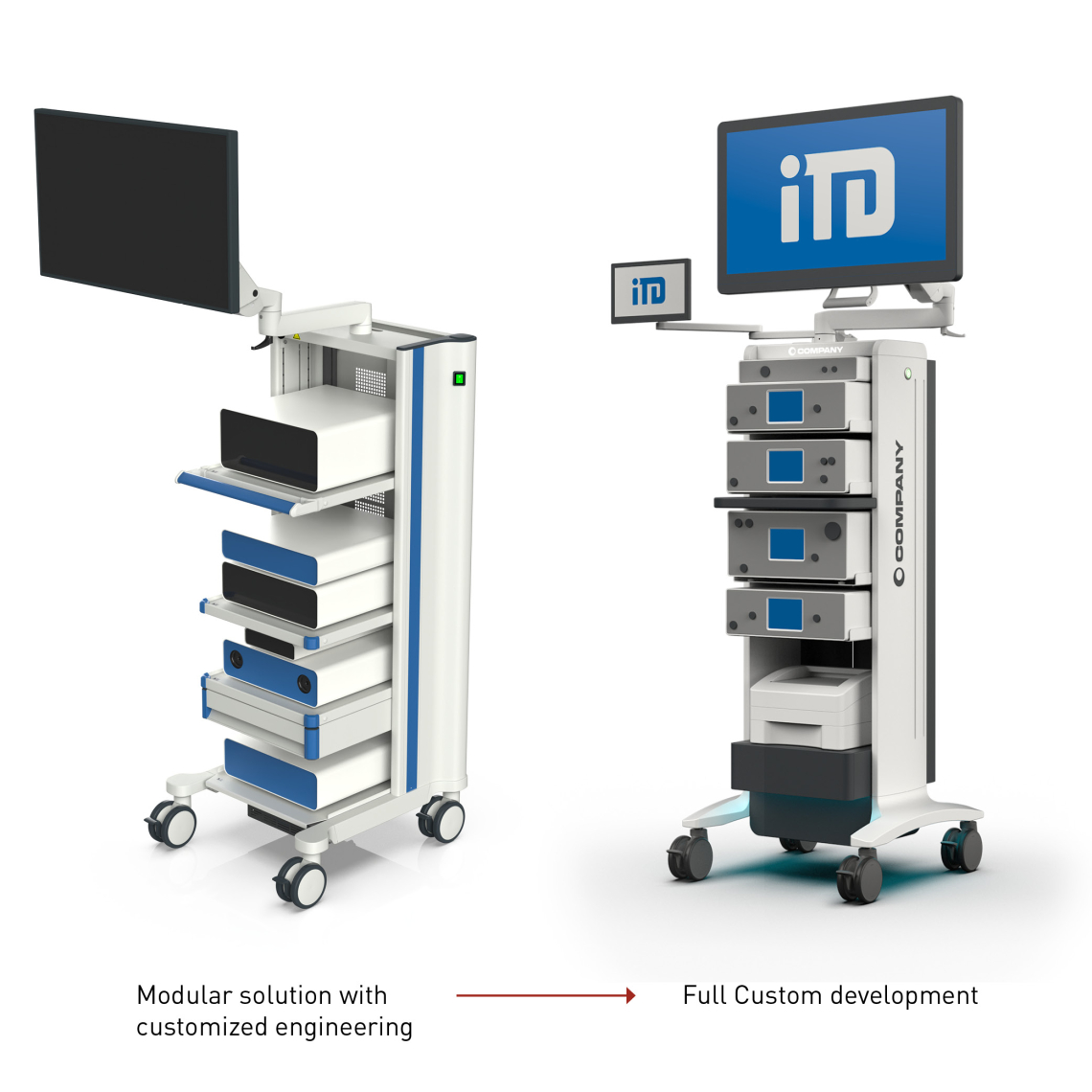
Modular, application-engineered or fully customized – for every medtech system.
Not every medical cart needs to be developed from scratch. iTD assesses where exisiting components meet requirements and if further development is required. The key factors are your medical equipment, the application, and the technical requirements.
Three development approaches for medical carts
The approaches differ in terms of which existing iTD components can be used and if any customization is to be included.
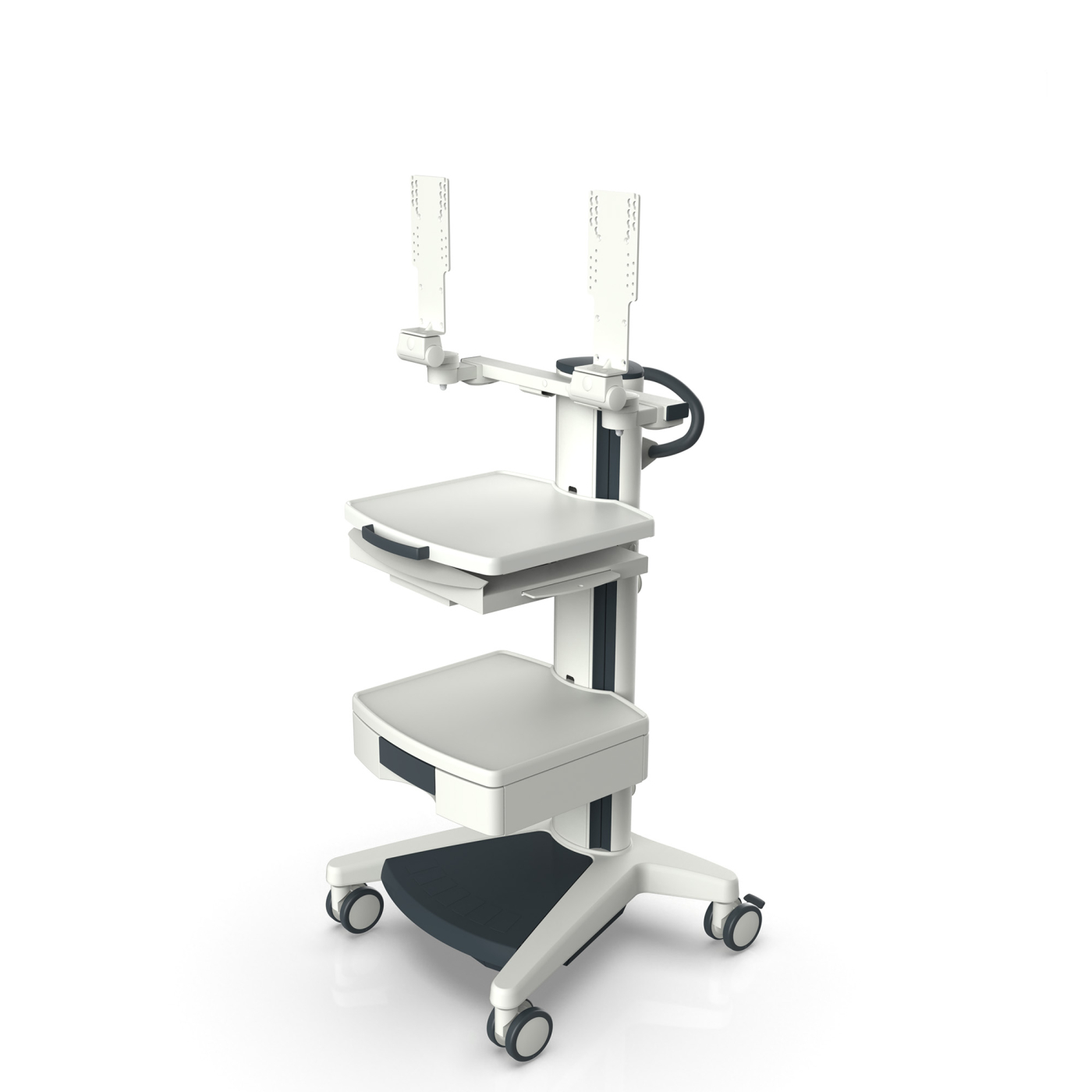
Modular solution – configured from existing iTD components
The medical cart is assembled from tried-and-tested iTD components. These include, for example, castors, columns, shelves, drawers, handles, equipment mounts, monitor mounts, and accessories. The components are selected and arranged according to your equipment, weights, working heights and workflows.
No new components need to be developed.
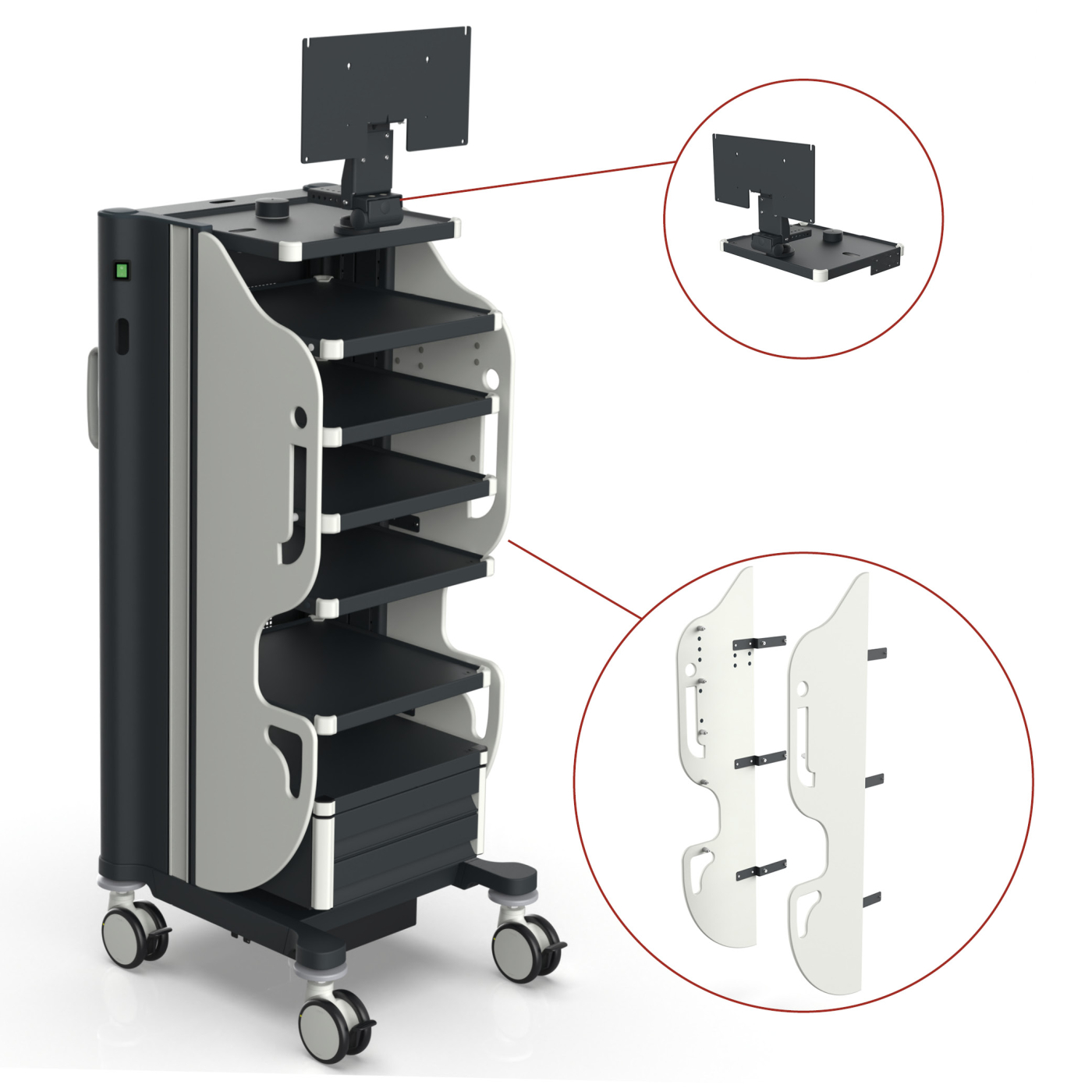
Modular solution with customized engineering – utilizing existing iTD components and supplementing them as required
Existing iTD components form the technical basis. Where existing components do not meet your requirements, application-specific parts are developed. This could be a specialized equipment mount, an adapter, a work surface, a panelling, a bracket, or a product-specific design element.
The basic architecture remains unchanged. Individual components are developed specifically to meet your requirements.
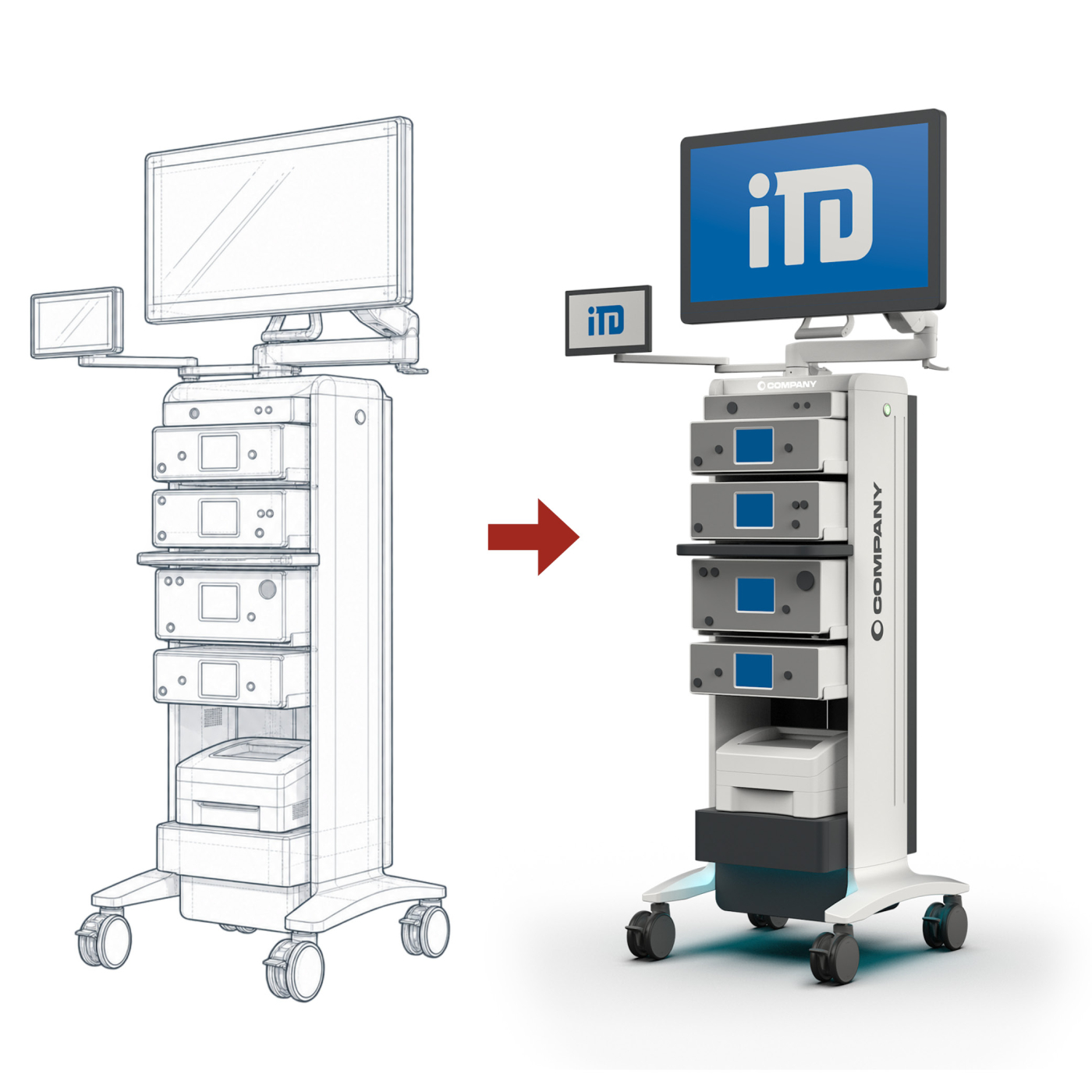
Full Custom development – develop the medical cart from scratch
This is advisable when engineering customizations are not sufficient or a higher degree of customization is required. Dimensions, castors, equipment integration, operating concept, and design are tailored specifically to the medical system.
The entire medical cart architecture is redesigned from scratch.
Which development approach is right for your project?
Technical requirements, market differentiation, time-to-market, and production volumes determine the development approach.
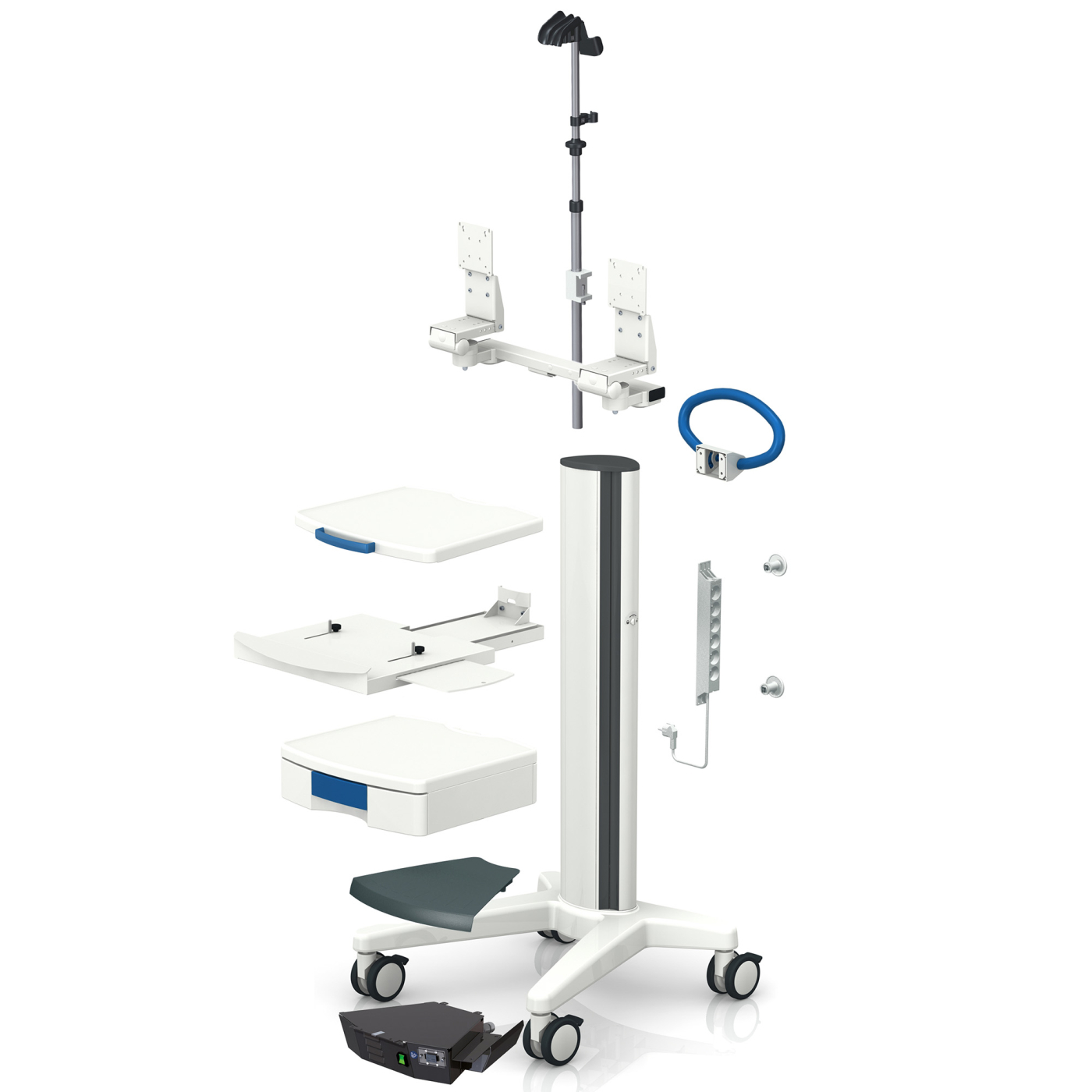
MODULAR SOLUTION
Existing established iTD components meet the requirements. This shortens development time and reduces project-specific engineering effort.
Your benefits:
- Short time-to-market
- No development costs
- Proven components
- Scalable mass production
A good fit if: Existing iTD components meet the requirements.
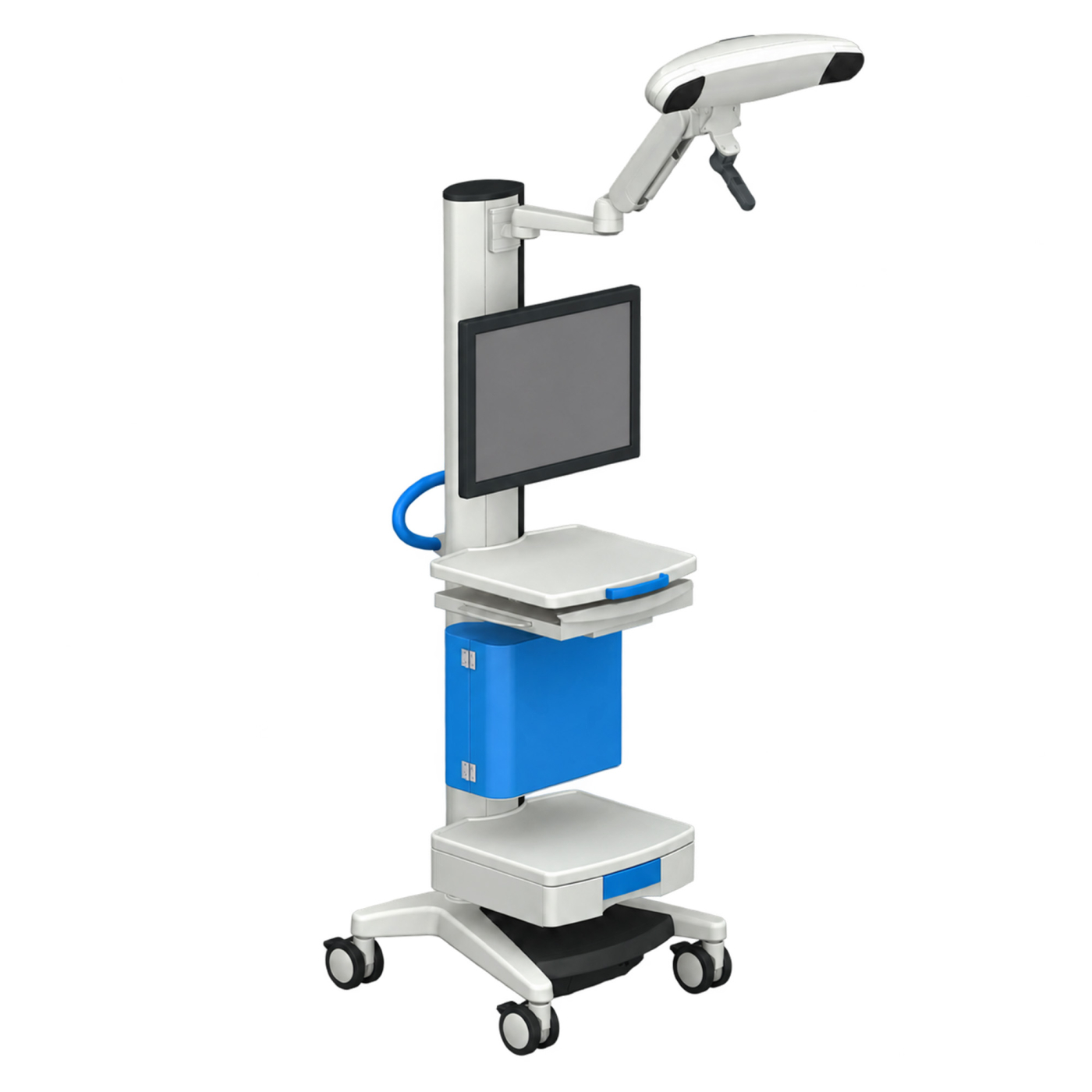
MODULAR SOLUTION WITH ENGINEERING CUSTOMIZATIONS
Begin with an existing iTD platform, incorporating application-specific components, functions, or design elements. Only those variations from the standard require new engineering.
Your benefits:
- Targeted differentiation
- Proven technical foundation
- Less development effort than with a new development
- Predictable time-to-market and costs
A good fit if: The iTD components meet the basic requirements, but individual functions or design features need to be specifically supplemented.
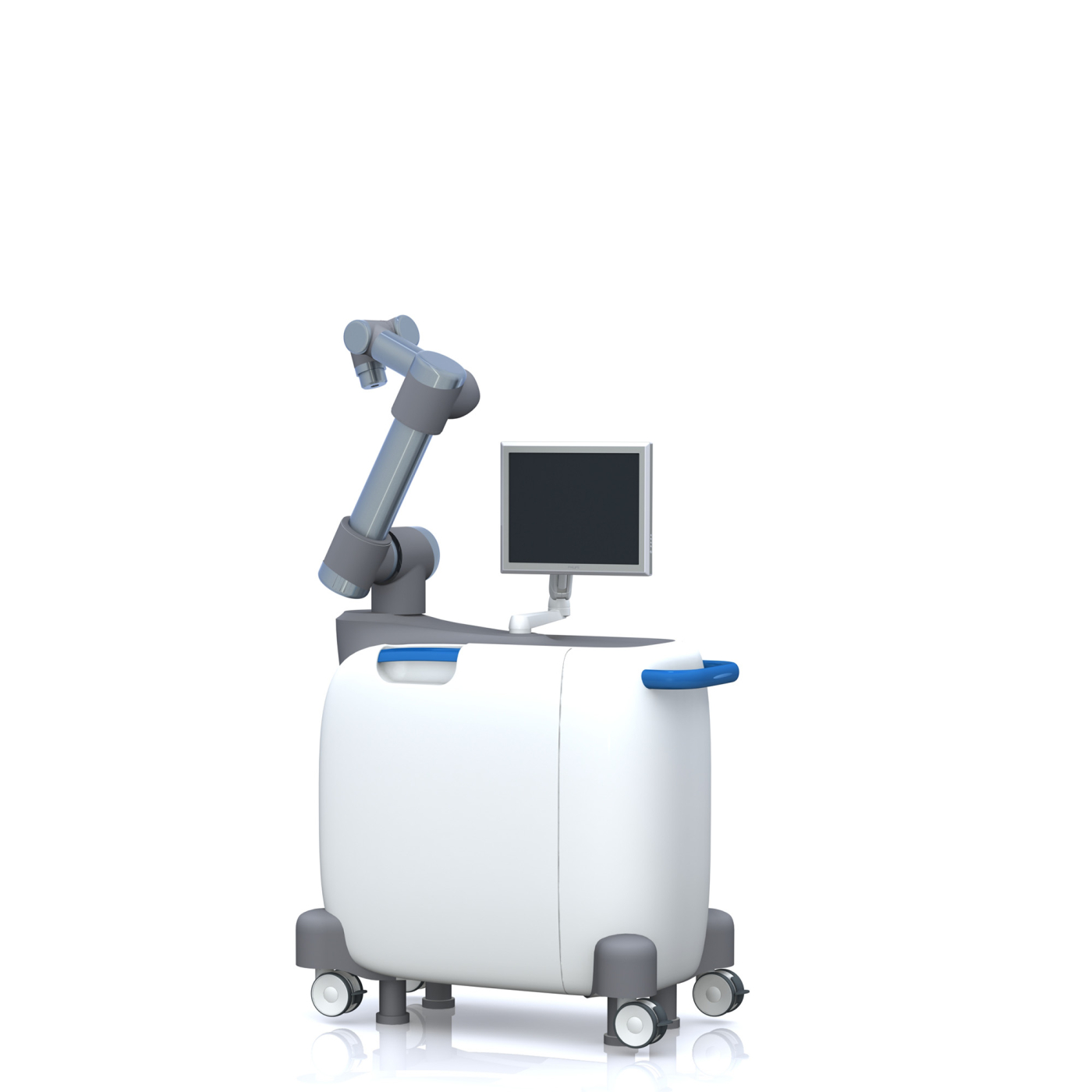
FULL CUSTOM DEVELOPMENT
Design a purpose-built medical cart or mobile system from the ground up—from engineering and design to industrialization.
Your benefits:
- Specific device and system integration
- Independent product design
- Designed for long-term production runs
A good fit if: The key requirements cannot be met with existing iTD components.
What factors determine the appropriate development approach?
In addition to technical requirements, it is important to consider how the system differs from the competition in terms of function and design. The available development time, the production volume, and the planned service life all influence this decision.
The appropriate development approach will be found through a full review of the requirements. iTD evaluates which modular solution is suitable, which engineering customizations are necessary, and whether a full custom development makes technical and economic sense.
Six Steps to a Production-Ready Medical Cart Solution
Development scope defines each step, from requirements and engineering to validation and reproducible mass production.
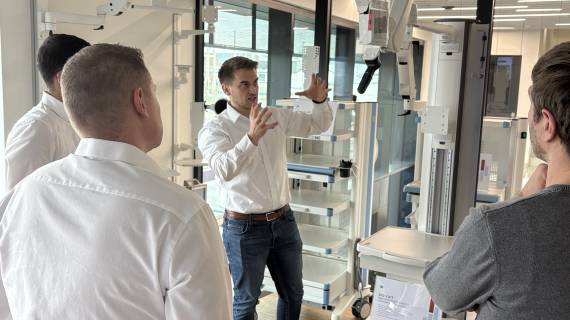
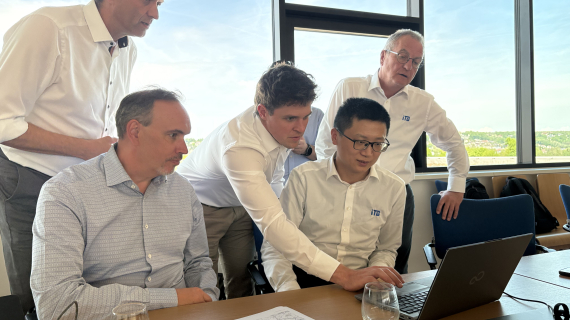
Step 1 - Identify Requirements
Identify medical devices, applications, dimensions, loads, functions, ergonomics, workflow, design goals, and framework conditions.
Step 2 - Define the Development Approach
Determine whether a modular solution is sufficient, whether engineering customizations are required, or whether a full custom development is necessary.

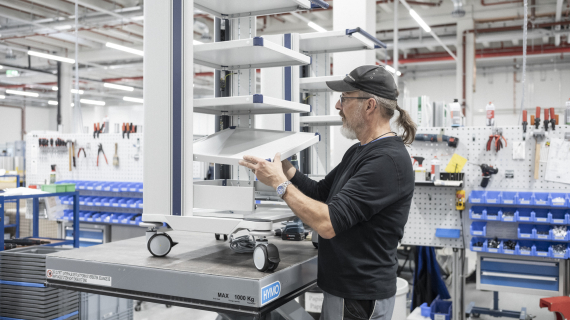
Step 3 - Concept and Engineering
Configure medical carts, develop additional components, or design the medical cart from scratch.
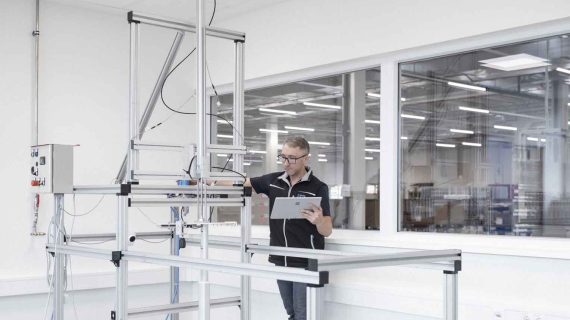
Step 4 - Build and Test Prototypes
Depending on the project, create prototypes and test their function, ergonomics, and safety against the defined requirements.
Step 5 - Ensure Series Production and Quality
Define manufacturing, assembly, and testing processes and establish quality-related characteristics.
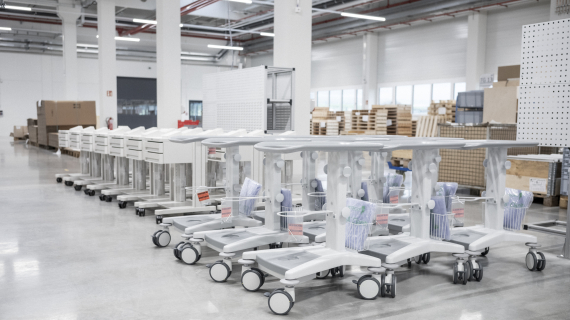
Step 6 - Series Production and Delivery
Tailor production and delivery to quantity, variants, and target markets.
Three Development Approaches for Specific Medical Applications
Modular, Engineered-Customization and Full Custom in practice.
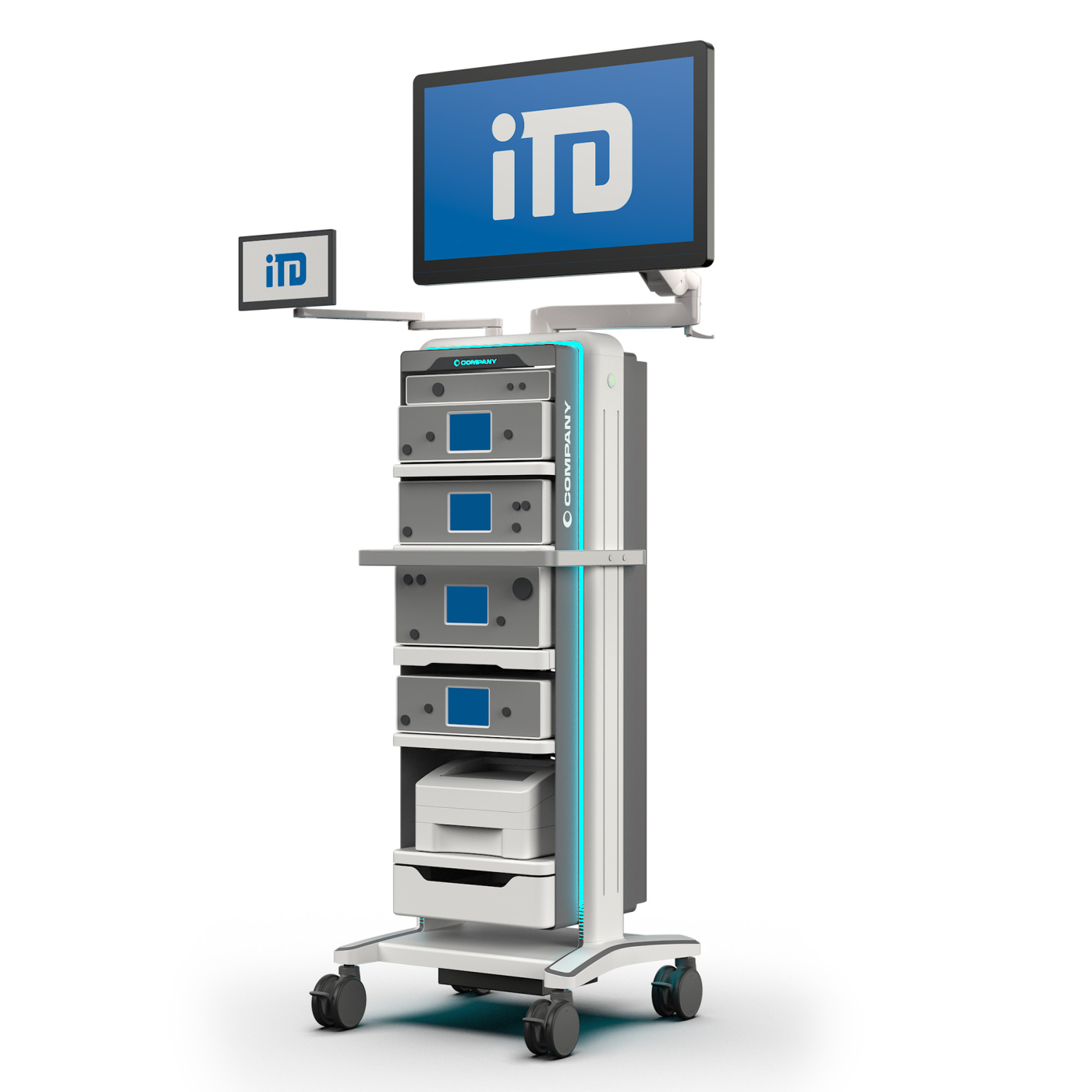
Endoscopy
Full custom
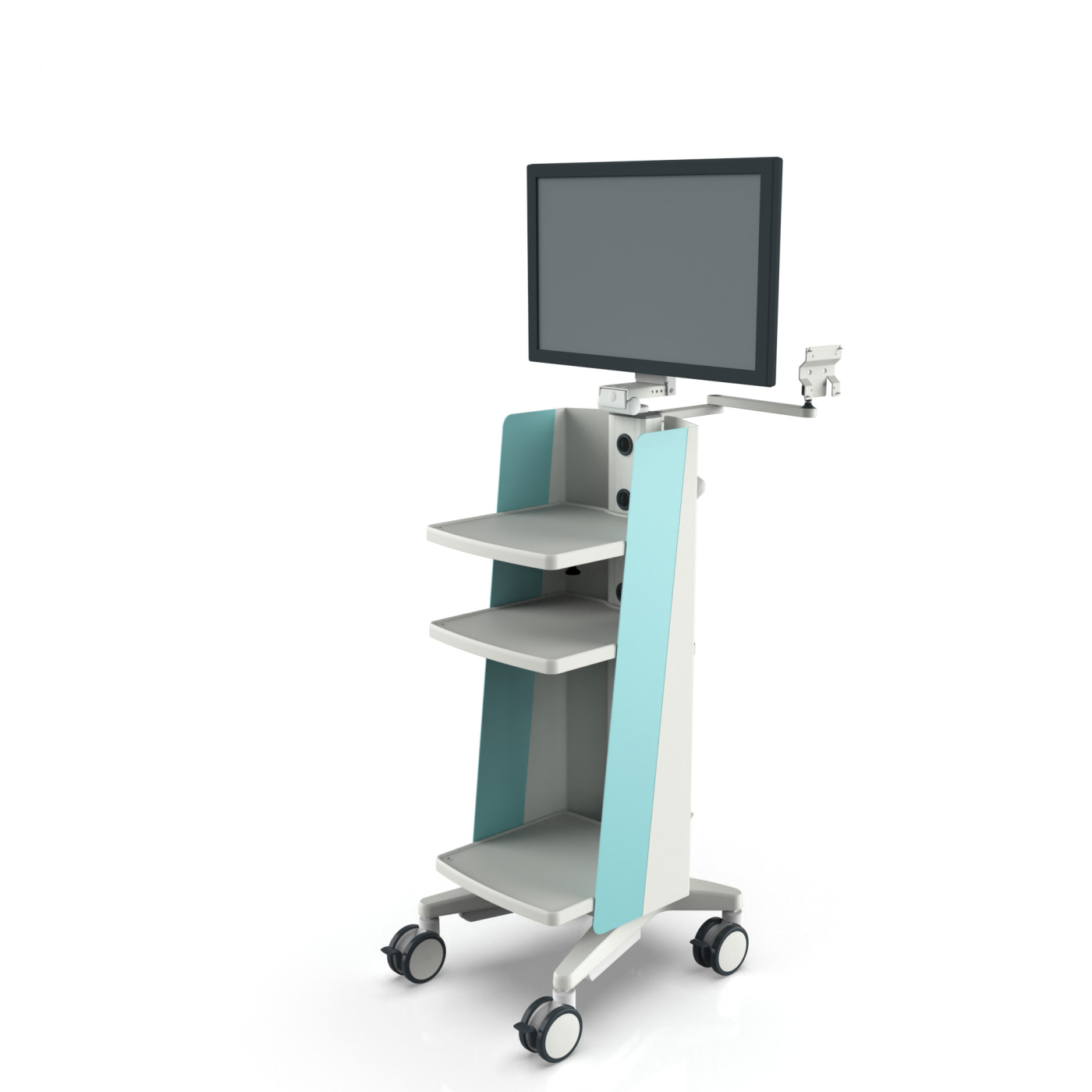
4K Imaging
Engineered-Customization - Housing
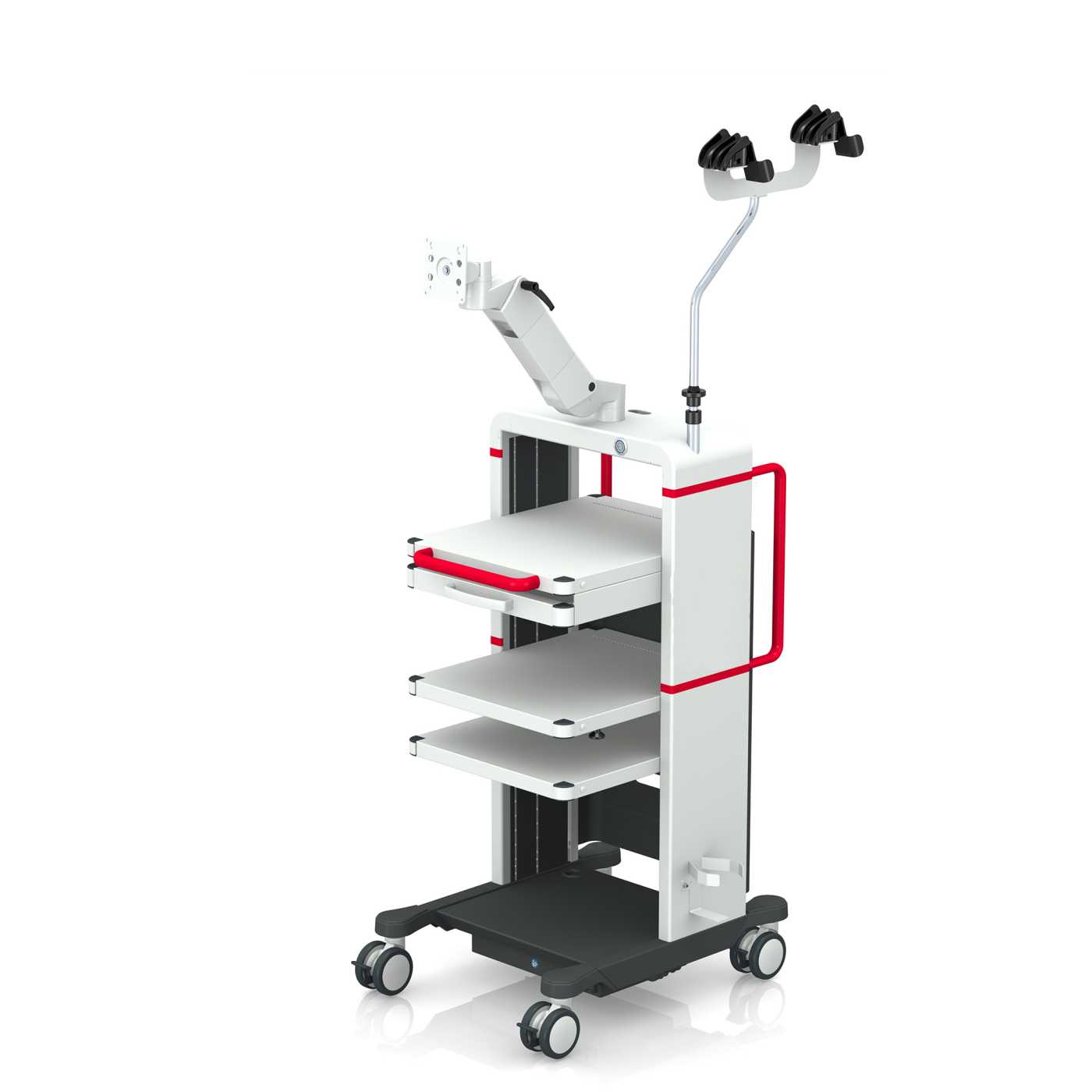
Neurosurgery
Engineered-Customization - connections
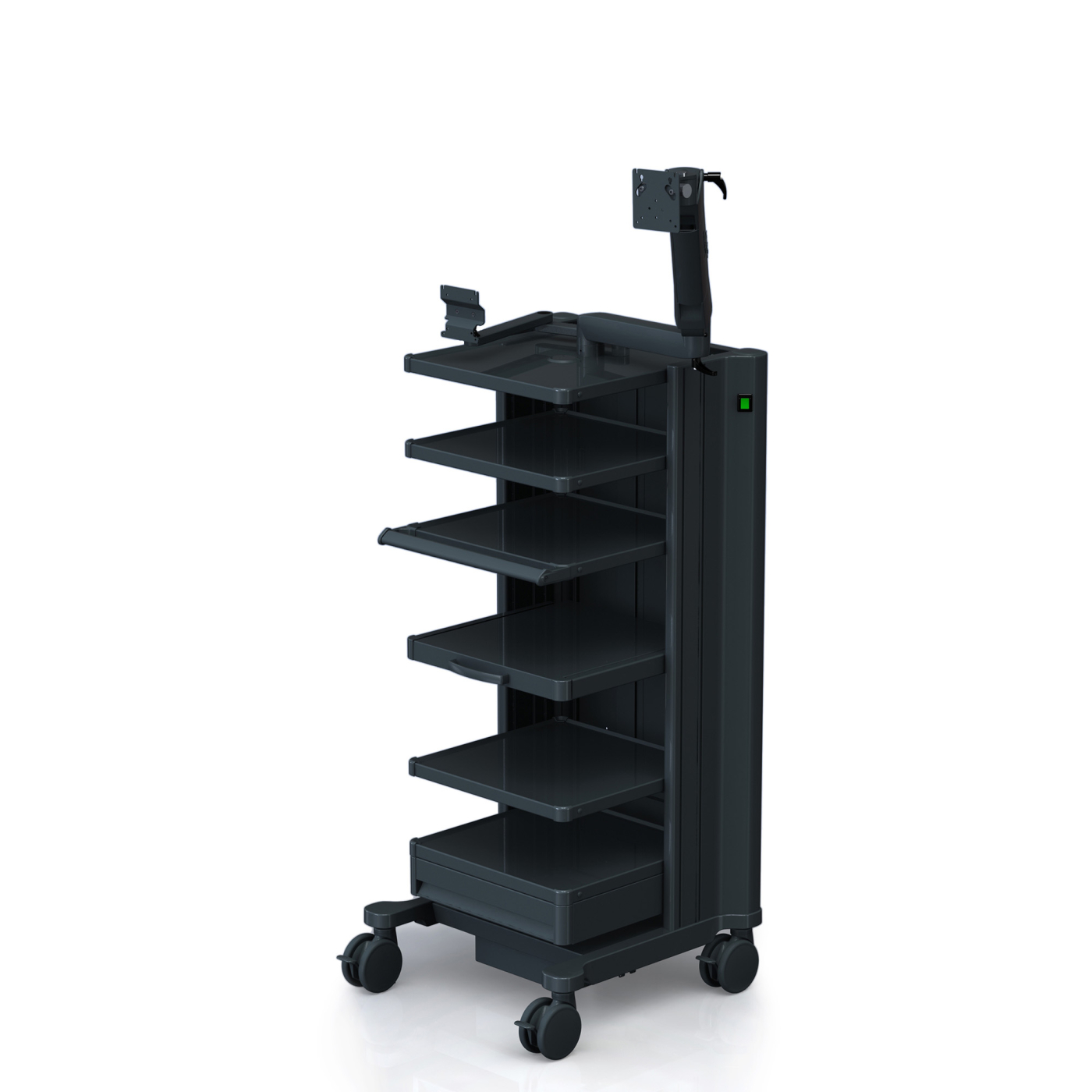
Endoscopy
Full custom
Service projects
Service projects with our customers
FAQs
Frequently Asked Questions About the Development Approach for Medical Carts
That depends on the technical requirements, the desired level of customization, time-to-market, production volumes, and the program’s duration. iTD will work with you to determine whether a modular platform already meets your requirements, whether targeted adjustments using a "hybrid" or engineered-customization approach make sense, or whether a full custom development is necessary.
A modular solution is appropriate when equipment, loads, dimensions, and functions can be accommodated using an existing platform and proven components. Configurations such as equipment mounts, shelves, brackets, and accessories can be assembled to suit the specific application.
A full custom development is an option when an existing iTD solution cannot meet your key requirements, even with engineered-customizations. Whether the additional development effort is worthwhile also depends on production volume and the planned service life.
Additional development effort is required for components that do not meet your requirements and must be modified or redeveloped. The existing solution remains the technical foundation. The specific effort involved depends on the scope of the modifications and the necessary testing.
Yes. Depending on the project, iTD can handle additional integration steps beyond the medical cart—such as cabling, device integration, functional testing, documentation, and preparation for packaging and shipping.
Defined manufacturing, assembly, and testing processes, as well as quality-relevant characteristics, are established. This enables medical carts and their variants to be manufactured reproducibly and with consistent quality.
Yes. iTD can tailor production and delivery to different target markets, variants, and quantities. Defined production and quality standards ensure consistent quality across iTD’s manufacturing sites.
Let’s discuss how we can support you

What integration tasks can iTD handle for your system?
Depending on your needs, iTD supports selected integration steps or complete system integration — from pre-cabling to ready-to-ship delivery.
Together, we analyze your current setup, identify integration bottlenecks and define the right scope for scalable delivery.
Contact our integration service team: sales@iTD-cart.com